
This post contains affiliate links and is a member of the Amazon Services LLC Associates Program. If you make a purchase using one of these affiliate or Amazon links, I may receive compensation at no extra cost to you.
15 Inspiring Shared Home Office Ideas For Two

The landscape of work has shifted dramatically, with more people than ever carving out productive spaces within their homes. But what happens when two people need to coexist in one workspace? It’s a challenge that requires creativity, compromise, and a dash of design savvy.
Whether you’re partnering with a spouse, roommate, or family member, crafting a shared home office that meets both of your needs can be a game-changer for productivity and harmony. Let’s explore some innovative home office ideas for two people to transform your space into a dual-purpose powerhouse that’s as functional as it is inspiring.
Creating the Perfect Shared Home Office: 15 Inspiring Ideas for Two
1. Assessing Your Space and Needs

You’ll want to start by taking a good, hard look at your available space.
It’s not just about square footage—consider the room’s layout, natural light, and existing features.
Think about your individual work styles and requirements. Do you need quiet for concentration, or do you thrive in a more dynamic environment?
Establishing a budget early on will help guide your decisions and prevent overspending.
Remember, the goal is to create a space that works for both of you, so open communication is key.
2. Layout and Design Principles

Maximizing space efficiency will be your primary concern in a shared office.
You’ll need to get creative with furniture placement to ensure both users have enough room to work comfortably.
Privacy can be a challenge, but it’s not insurmountable—consider using room dividers or strategically placed bookshelves.
The aesthetics of your space should reflect both personalities while maintaining a cohesive look.
Don’t underestimate the power of a well-designed layout to boost productivity and mood.
3. Desk Arrangements for Two

A side-by-side setup can foster collaboration and make the most of a single wall.
Back-to-back configurations offer more privacy and can help divide the room effectively.
L-shaped desk arrangements provide ample workspace and can create distinct zones for each person.
Floating desks are a smart solution for smaller spaces, offering flexibility and a sleek look.
RECREATE THESE IDEAS WITH OUR FAVE HOME OFFICE STYLES:


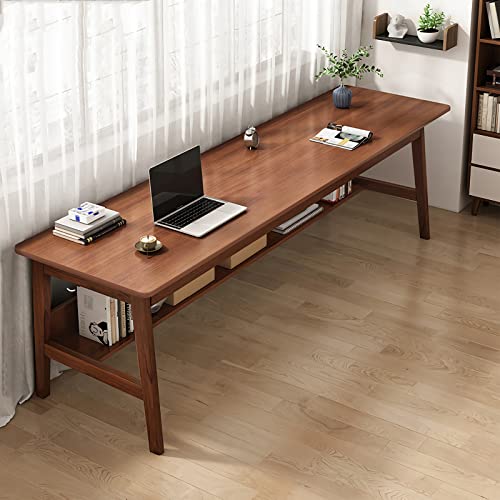
Consider how each arrangement might affect your workflow and communication with your office mate.
4. Storage Solutions

Shared storage systems can help maintain order and reduce clutter in your workspace.
Consider installing a custom-built shelving unit that spans an entire wall, offering ample space for both users.
You might divide the shelves equally, or allocate based on individual needs – flexibility is key here.
Individual storage options ensure each person has their own space for personal items and documents.
Try using color-coded file systems or labeled containers to keep your items separate and easily identifiable.
Vertical storage ideas maximize floor space and can add visual interest to your office.
Wall-mounted magazine racks, for instance, can hold current projects or frequently used documents.
Or, try a pegboard system that allows for customizable tool and supply storage – perfect for creative professionals.
Hidden storage tricks, like ottomans with built-in compartments, keep your office tidy and organized.
Look for desks with built-in drawers or invest in under-desk filing cabinets to maximize every inch of space.
A clutter-free space promotes a clutter-free mind, boosting productivity for both occupants.
Consider implementing a “clean desk policy” at the end of each day to maintain order and start fresh each morning.
5. Lighting for Productivity

Natural light optimization should be a priority—position desks near windows when possible.
If you’re lucky enough to have a large window, consider arranging both desks perpendicular to it to minimize glare.
For rooms with limited natural light, look into full-spectrum light bulbs that mimic natural daylight.
Task lighting essentials, like adjustable desk lamps, provide focused illumination for detail work.
Opt for lamps with multiple settings to accommodate different tasks and times of day.
You might even explore smart bulbs that can be adjusted via smartphone apps or voice commands.
Ambient lighting sets the mood and reduces eye strain during long work sessions.
Consider installing dimmer switches to control overhead lighting, allowing you to adjust based on the time of day or task at hand.
Soft, indirect lighting from floor lamps or wall sconces can create a cozy atmosphere for those late-night work sessions.
Consider how different lighting needs might vary between you and your office mate.
One of you might prefer cooler, energizing light while the other thrives under warmer tones – individual desk lamps can solve this dilemma.
Don’t underestimate the impact of good lighting on your energy levels and work output.
6. Creating a Cohesive Aesthetic

Choosing a color scheme that appeals to both users can create a harmonious environment.
Start by selecting a neutral base color for walls and large furniture pieces – think soft grays, warm beiges, or crisp whites.
Then, each person can choose an accent color to incorporate through smaller items like desk accessories or art pieces.
Incorporating complementary styles allows for individual expression within a unified look.
If one person prefers a modern aesthetic while the other leans towards a more traditional style, look for pieces that bridge the gap.
Mid-century modern furniture, for example, often works well in both contemporary and classic settings.
Balancing personal touches with professional elements keeps the space inviting yet functional.
Display personal photos or artwork, but keep them contained to specific areas to maintain a professional atmosphere.
Consider creating a gallery wall where both users can showcase their personalities through curated images or objects.
Consider using a neutral base with pops of color to satisfy different tastes.
This approach allows for easy updates – simply switch out colorful accessories to refresh the space without a major overhaul.
You might even rotate these colorful elements seasonally to keep the office feeling fresh and inspiring year-round.
Remember, the goal is to create a space where you both feel inspired and comfortable.
Don’t be afraid to experiment with different layouts or decor items – your shared office should evolve as your needs and preferences change.
Regular check-ins with your office mate about the space can ensure ongoing satisfaction and productivity for both parties.
RECREATE THESE IDEAS WITH OUR FAVE HOME OFFICE STYLES:
7. Tech Setup and Cable Management

Deciding between shared and individual equipment depends on your work needs and budget.
Wireless solutions can significantly reduce cable clutter and improve the office’s appearance.
Creative cable hiding techniques, like cord covers or under-desk trays, keep things neat and tidy.
Consider how your tech setup affects the overall aesthetics and functionality of the space.
Don’t forget to plan for future tech upgrades or additions to your shared workspace.
8. Comfort and Ergonomics
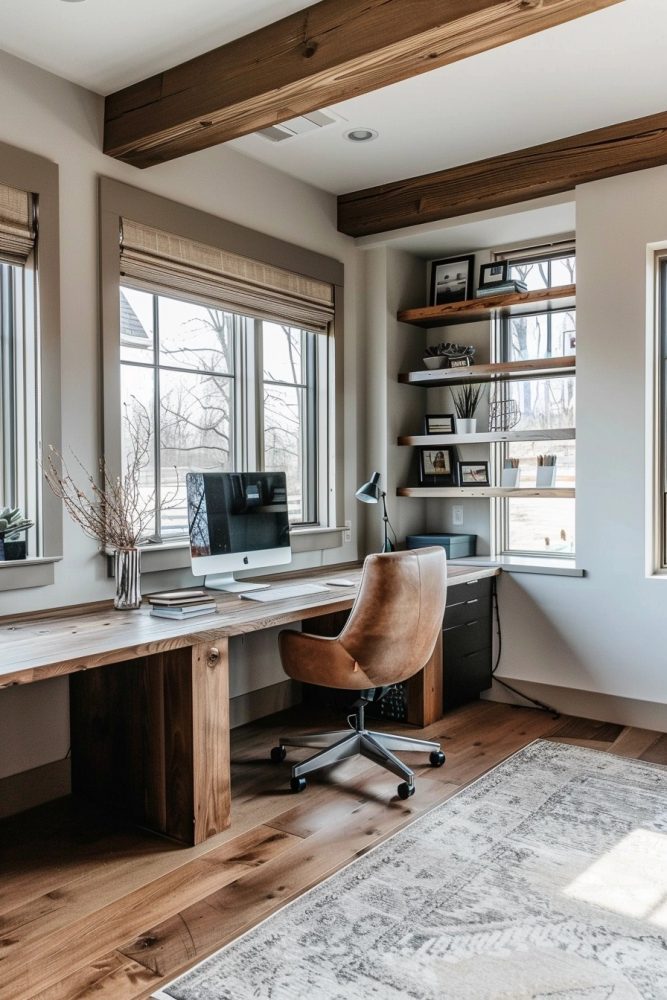
Selecting the right chairs is crucial for long-term comfort and health in a home office.
Ergonomic accessories like keyboard trays or monitor stands can prevent strain and improve posture.
Standing desk options offer flexibility and health benefits for those who prefer to alternate positions.
Remember that comfort needs may differ, so consider adjustable furniture to accommodate both users.
Investing in ergonomics now can prevent health issues and boost productivity in the long run.
9. Soundproofing and Noise Reduction

Room dividers and partitions can create visual and auditory separation in a shared space.
Acoustic panels and materials absorb sound, reducing echoes and improving call quality.
White noise solutions can mask distracting sounds and create a more focused environment.
Consider how different work styles might require varying levels of noise reduction.
Remember, a quiet space can significantly improve concentration and work quality for both users.
10. Personalizing Your Workspace
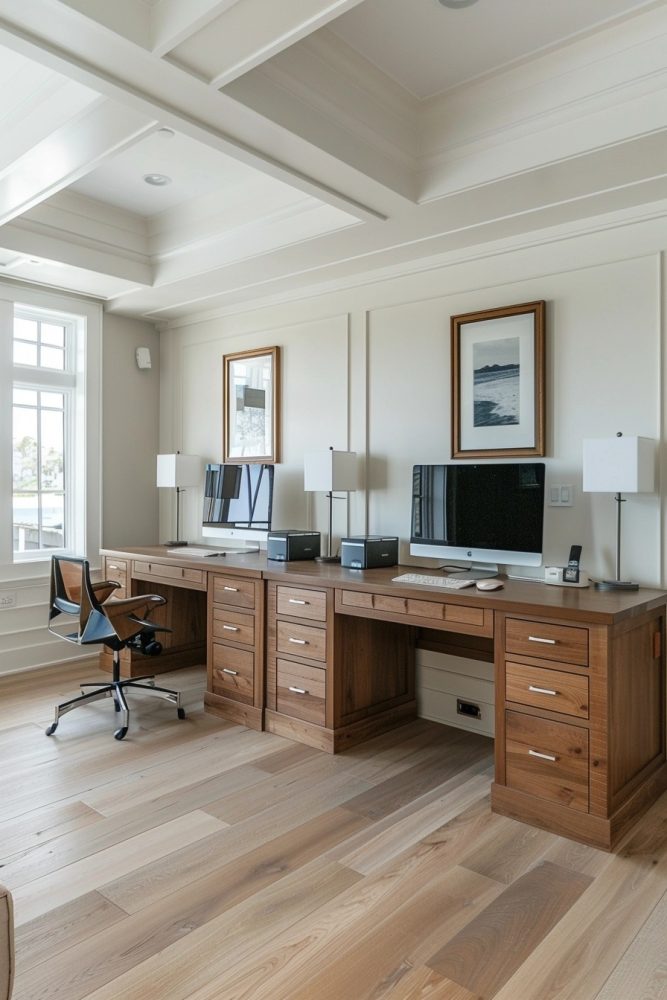
Incorporating inspiring decor can motivate and energize you throughout the workday.
Adding plants brings a natural touch and can improve air quality in your shared office.
Displaying personal achievements creates a sense of pride and accomplishment in your space.
Strike a balance between personal items and a professional atmosphere.
Remember that your office mate may have different ideas about personalization—communication is key.
11. Flexible and Multifunctional Spaces
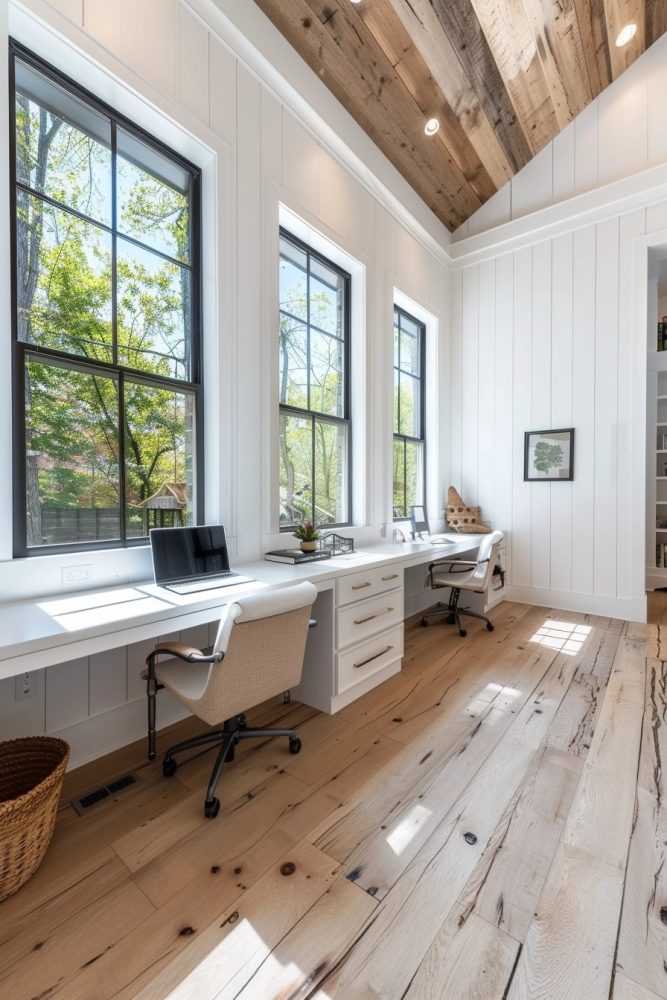
Convertible furniture ideas allow your office to adapt to changing needs throughout the day.
Dual-purpose room solutions are perfect for homes where space is at a premium.
Foldaway office concepts can transform a living area into a workspace and back again.
Consider how your shared office might need to accommodate other household activities.
Flexibility in your office design can help prevent conflicts over space usage.
12. Organization and Productivity Hacks
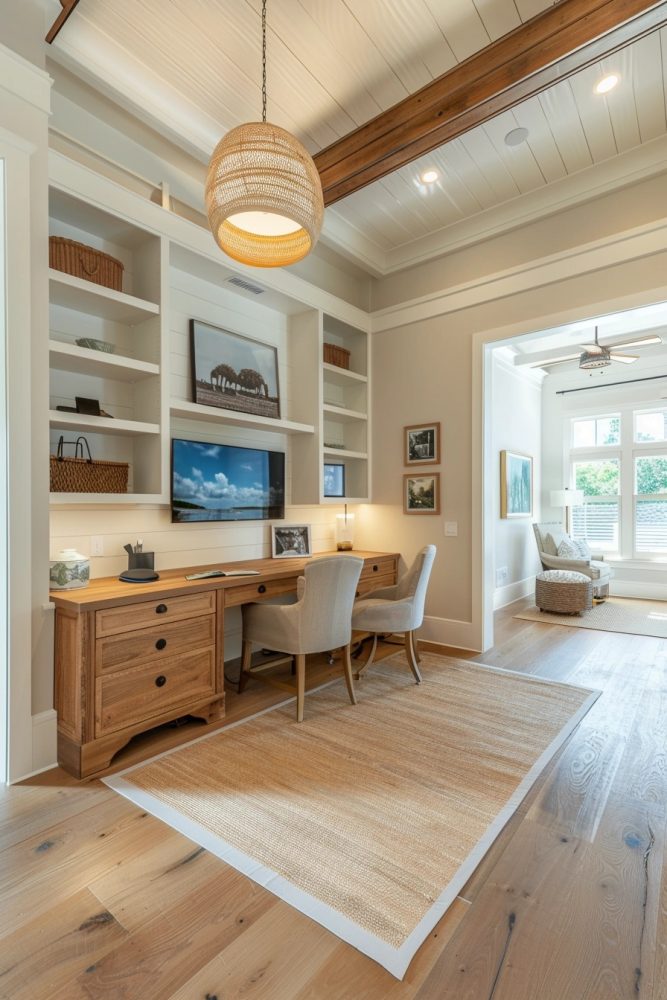
Shared calendar and planning systems keep both users on the same page.
Collaborative tools and software can streamline workflows in a shared environment.
Minimizing distractions is crucial—consider establishing “quiet hours” or using noise-cancelling headphones.
Develop a system for sharing communal resources like printers or reference materials.
An organized space leads to organized minds and better productivity for both users.
13. Budget-Friendly DIY Ideas

Upcycling existing furniture can give your office a unique look without breaking the bank.
Creating custom organizers allows you to tailor storage solutions to your specific needs.
Affordable decor alternatives, like DIY art or repurposed items, add personality on a budget.
Consider how DIY projects might be a bonding experience for you and your office mate.
Budget-friendly doesn’t mean sacrificing style or functionality.
14. Maintaining a Harmonious Shared Office

Establishing office etiquette early on can prevent conflicts and ensure a pleasant work environment.
Regular decluttering and organizing sessions keep your shared space functional and inviting.
Adapting the space as needs change is crucial for long-term satisfaction with your shared office.
Open communication about preferences and issues helps maintain a positive working relationship.
A harmonious office environment can improve both your work output and personal dynamics.
15. Embracing Technology for Collaboration
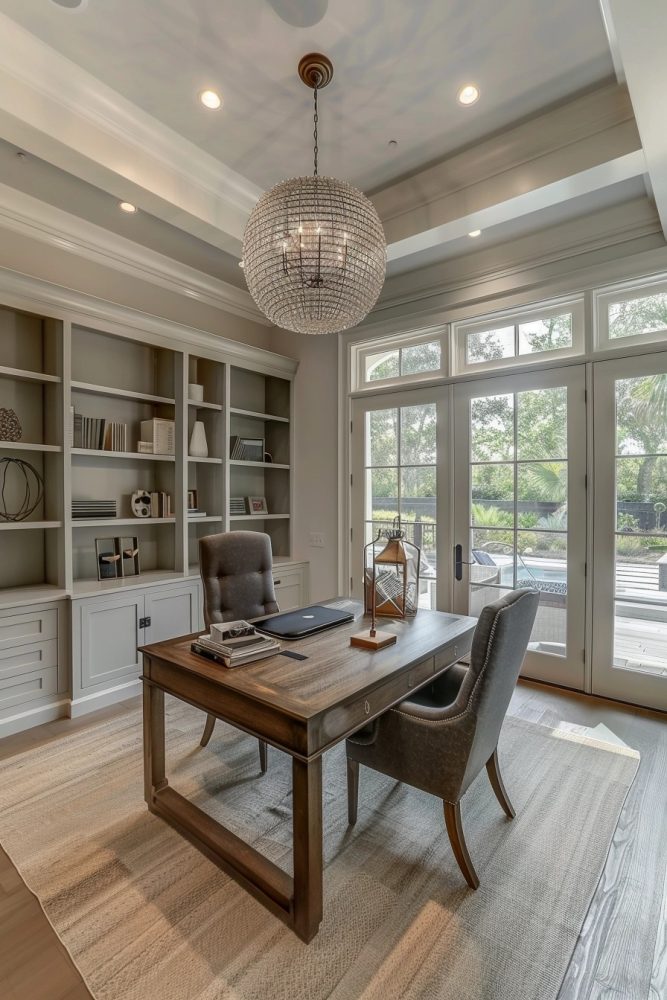
Cloud-based file sharing systems ensure both users have access to necessary documents.
Video conferencing setups can be shared, creating a professional backdrop for both users’ calls.
Smart home devices can help manage lighting, temperature, and even coffee brewing for optimal comfort.
Consider how technology can bridge gaps in your work styles or schedules.
Remember to establish guidelines for tech use to respect each other’s privacy and work time.
RECREATE THESE IDEAS WITH OUR FAVE HOME OFFICE STYLES:
Conclusion
Creating a shared home office that works for two people is no small feat, but with thoughtful planning and open communication, it’s entirely achievable. The key is to balance individual needs with shared goals, creating a space that’s both functional and inspiring. As you implement these ideas, remember that flexibility is crucial—your perfect shared office may evolve as your work styles and needs change. By focusing on efficiency, comfort, and personal touch, you’ll create a workspace that enhances productivity and fosters a positive work-from-home experience for both users.
OTHER HOME OFFICE IDEAS:
- 15 Feminine Home Office Ideas That Will Make You Want to Work All Day
- How To Decorate A Small Office With No Windows (2024)


