
This post contains affiliate links and is a member of the Amazon Services LLC Associates Program. If you make a purchase using one of these affiliate or Amazon links, I may receive compensation at no extra cost to you.
17 Ways to Use Moody Paint Colors in Small Spaces (Without Making Them Feel Smaller)
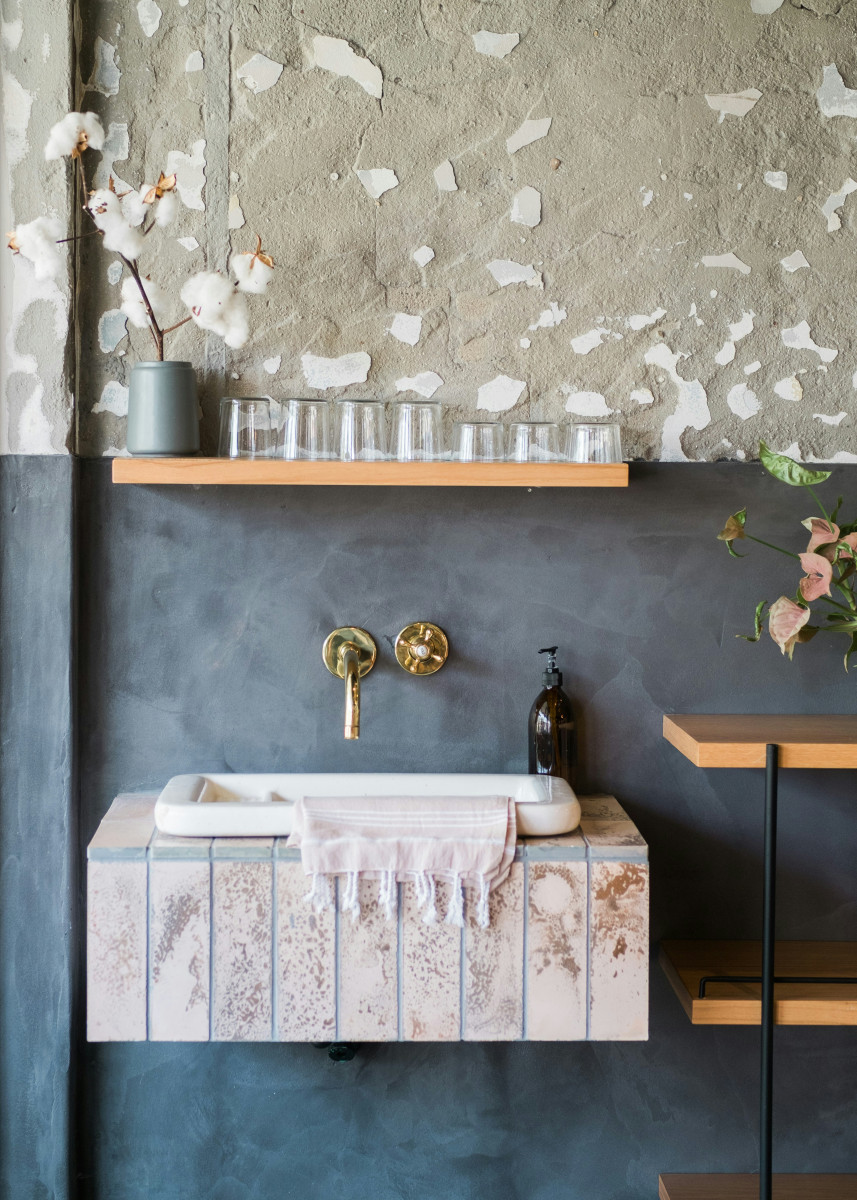
Moody paint colors can be pure magic in small spaces—if you know how to work with them, not against them. We’re talking smoky greens, inky blues, deep charcoals, and rich plums that wrap a room in instant atmosphere. The trick? It’s less about avoiding dark tones and more about balancing them with intention: the right textures, contrast, lighting, and layout.
This list is your go-to guide for using dramatic, moody paint colors in small spaces or in rooms with limited square footage—without losing the sense of style or space.
Before You Paint: Why Moody Colors Work in Small Rooms
There’s a common fear that dark paint makes a room feel smaller—and technically, yes, it can. But used strategically, moody colors can actually add depth, character, and visual interest, which helps a small room feel designed instead of just tight.
Look for colors with complex undertones (think green-blacks or eggplant-greys), and pair them with intentional lighting and layered textures to keep things feeling elevated.
It’s not about making the room look bigger—it’s about making it look better.
1. Navy Blue All Over
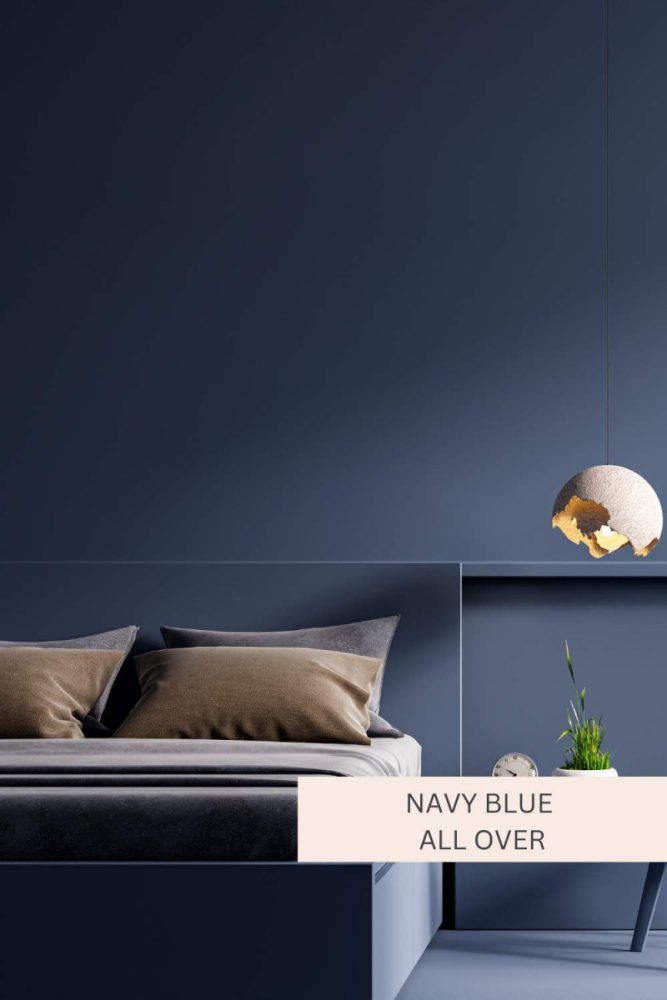
Don’t be afraid to take navy across all four walls—and even the ceiling. Wrapping a small room in one deep, moody color can actually make it feel more expansive and intentional. We’ve seen this work beautifully in tiny offices or bedrooms where you want a cocoon-like vibe. The key is soft lighting and minimal, tone-on-tone decor.
RELATED: 18 Moody Dark Green Bedroom Ideas
2. Matte Charcoal for a Modern Edge
Charcoal in a flat or matte finish instantly brings a modern, architectural energy to any small space. It’s dramatic without being loud, and it looks especially luxe with natural wood, tan leather, or clean white trim. We love using it in entryways or small dining areas to make a real design moment. It’s the kind of paint choice that feels bold, not busy.
3. Moody Mauve in a Micro Powder Room

A rich mauve or dusty plum creates an unexpected softness that still reads as moody. It brings warmth and depth without going full gothic. In a small bathroom or vanity space, it looks gorgeous with antique mirrors, soft lighting, and marble finishes. We’ve seen it stop guests in their tracks—in a good way.
4. Black Walls with Light Floors
Black paint in a small room isn’t a no-go—it just needs contrast to breathe. Pairing black walls with pale wood floors, cream rugs, or bright artwork keeps things grounded and chic. We love this look for small bedrooms or studio corners where you want major mood. It’s confident and editorial without feeling cave-like.
5. Forest Green with Textured Layers
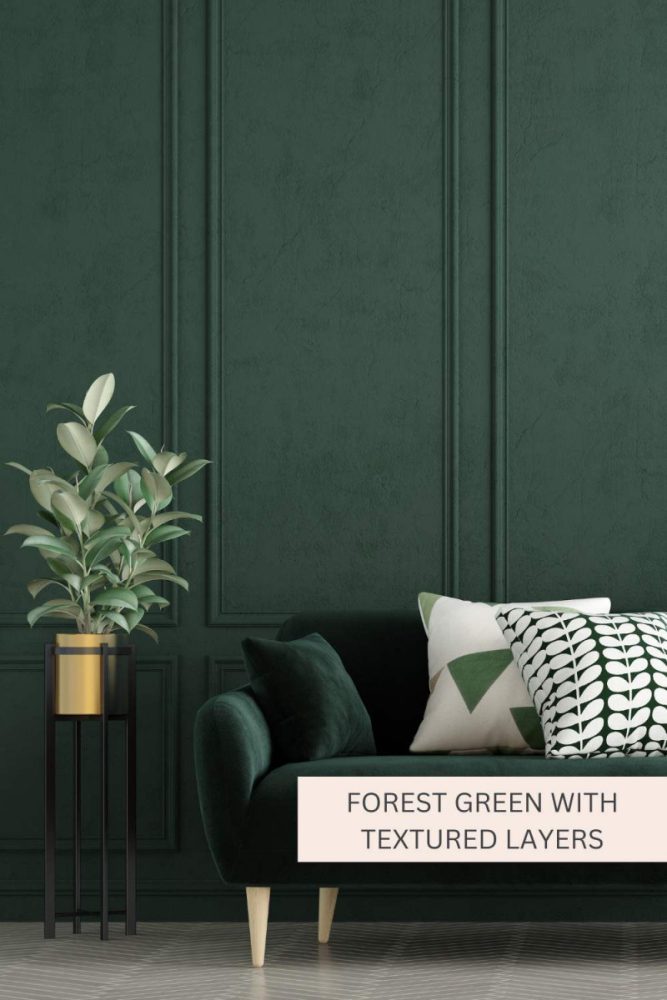
Forest green walls instantly bring richness to a tight space—especially when you layer in cozy textures. Think velvet pillows, boucle throws, and soft lighting to keep the mood lush, not heavy. We love this combo for compact living rooms or reading corners that need a little drama. It’s like your own cozy speakeasy at home.
6. Eggplant Walls + Gold Framed Art
There’s a vintage glamour to deep eggplant paint—especially when paired with gilded or antique-style frames. It brings out the purple undertones without tipping into Halloween territory. We’ve seen this transform small dining rooms into moody, candlelit spaces that feel wildly chic. Bonus points for moody florals or a gallery wall.
7. Slate Blue with White Trim
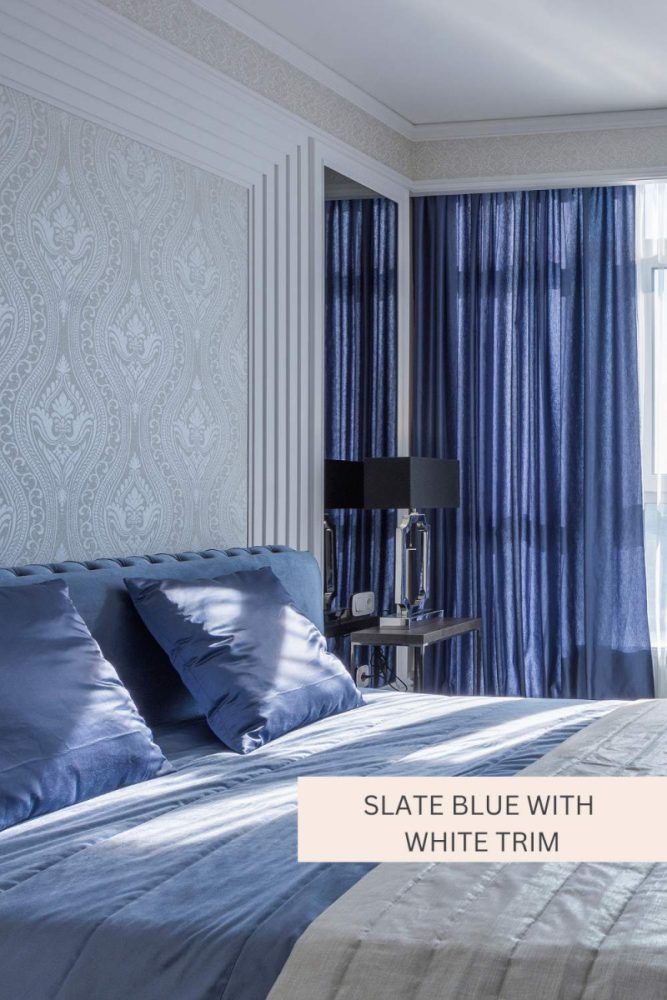
Slate blue is a moody tone that still feels airy—especially when you keep the trim bright and clean. It’s the perfect balance for small spaces that need some depth without feeling dark. We love this for guest rooms or transitional spaces where you want color but still need versatility. Add some linen curtains and you’re set.
8. Moody Monochrome Moment
Going monochrome—walls, trim, ceiling, even furniture—in a single moody hue creates a seamless, high-design vibe. This works surprisingly well in small spaces because it blurs the edges of the room. Try it with a deep taupe or stormy grey for a sophisticated look that doesn’t feel flat. We love how this makes the room feel like a whole experience.
9. Soft Black in a Small Kitchen
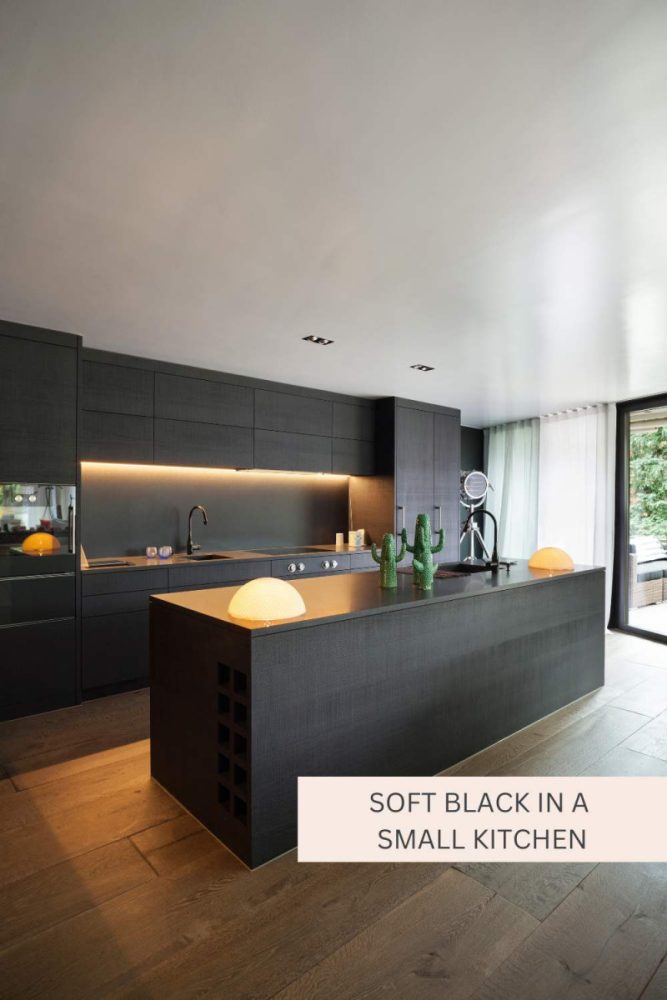
Soft black or graphite grey can turn a tiny kitchen into a sleek design statement. It works beautifully with white tile, natural wood, or even brass and copper accents. We’ve seen this done in galley kitchens that suddenly feel like boutique cafés. It’s bold—but in a very grown-up way.
10. Moody Accent Wall in a Nook
Not ready to commit to four dark walls? A single moody accent—behind a desk, bed, or bookshelf—can give major visual impact without overwhelming the room. Go for saturated hues like merlot, midnight, or petrol blue. It’s a low-effort, high-drama move we keep coming back to.
11. Dramatic Ceilings (Yes, Really)
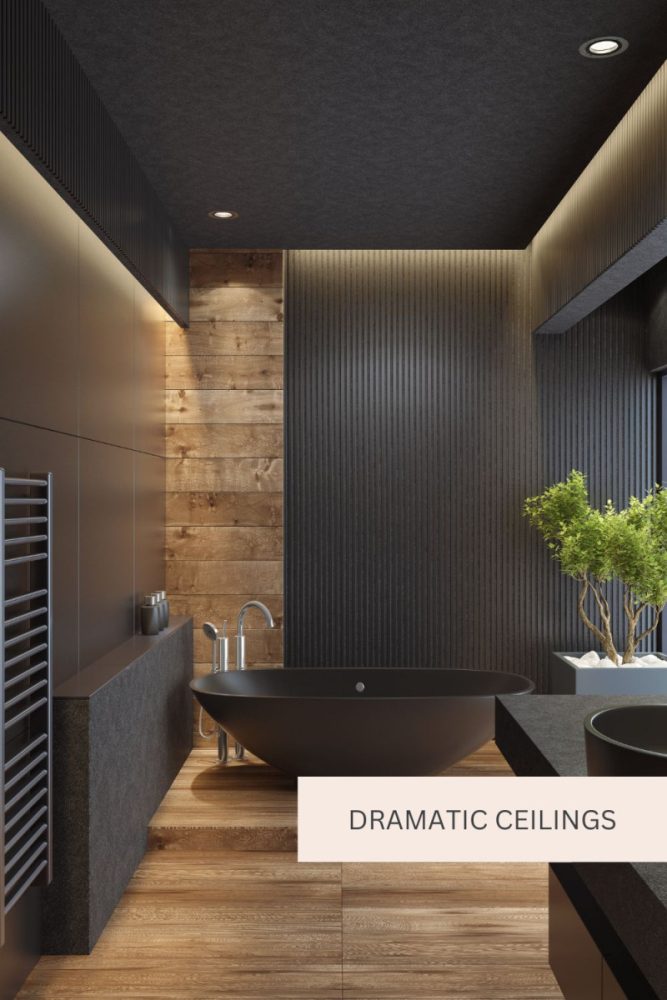
Painting just the ceiling in a moody tone draws the eye upward and makes the room feel taller. This works especially well in white or neutral rooms that need a little something extra. We love a smoky grey or deep indigo overhead—it’s unexpected and stylish. Just add soft uplighting to highlight the drama.
12. Inky Blue Cabinets in a Petite Kitchen
In small kitchens, moody lower cabinets can ground the space without overwhelming it. Pair deep blue or green cabinetry with light walls and countertops to keep things balanced. We’ve seen this make tiny kitchens look custom and luxe without a full reno. It’s one of those “designer trick” moves that always delivers.
13. Chocolate Brown Walls with Warm Lighting
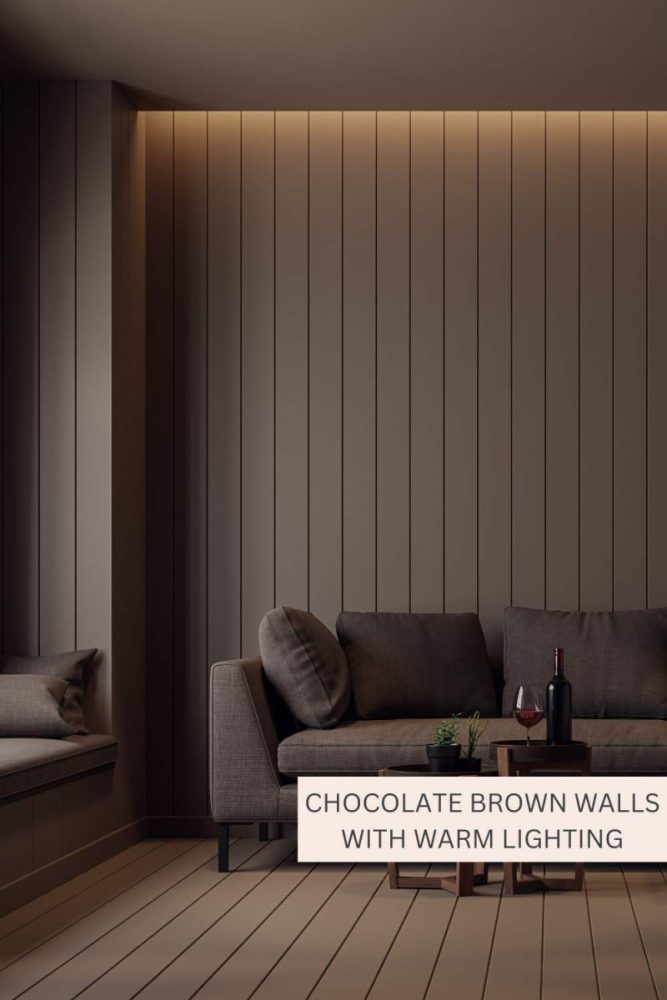
Don’t sleep on chocolate brown—it’s having a full moment, and it’s surprisingly flattering in tight quarters. When lit with warm sconces or Edison bulbs, it gives off a soft, cozy glow. We love this in a small den, TV room, or even a dark hallway where you want richness without harsh contrast. It feels timeless, grounded, and just a little bit luxe.
14. Painted Interior Doors
Painting just the interior doors in a moody hue (think black, forest green, or navy) adds impact without committing to full walls. It creates a stylish transition moment that feels considered but not fussy. We’ve seen this elevate small spaces like entryways, hallways, or laundry rooms with almost no effort. Plus, it frames the room beautifully when the doors are left open.
15. Floor-to-Ceiling Color Blocking
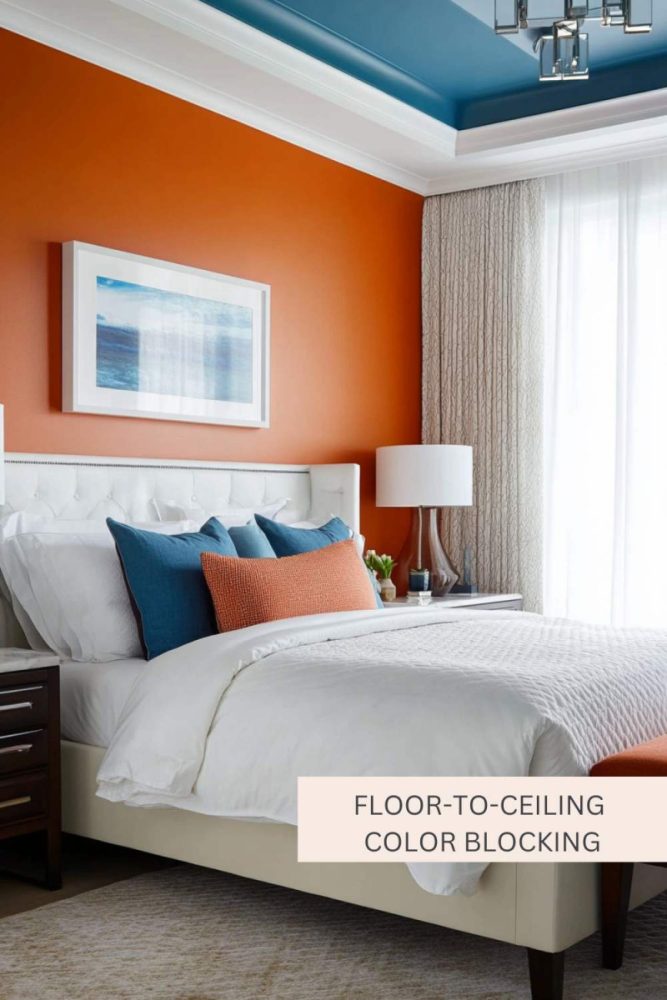
Take your moody paint up from the floor—but stop a few inches below the ceiling to fake some height. This floor-to-ceiling color blocking adds visual drama while still giving the room breathing room. We especially love this in studios or small bedrooms where wall height is limited but you still want impact. It’s an artsy twist that feels straight out of a European apartment.
16. Pairing Moody Walls with Natural Wood
Balancing moody paint colors with honey-toned woods keeps things grounded and organic. We’ve seen this combo work beautifully in small dining areas, bedrooms, and offices where you want depth and warmth. The texture of the wood softens the boldness of the paint and adds instant coziness. It’s an unbeatable pairing if you’re aiming for a modern-rustic vibe.
17. Dusty Black with Crisp White Details
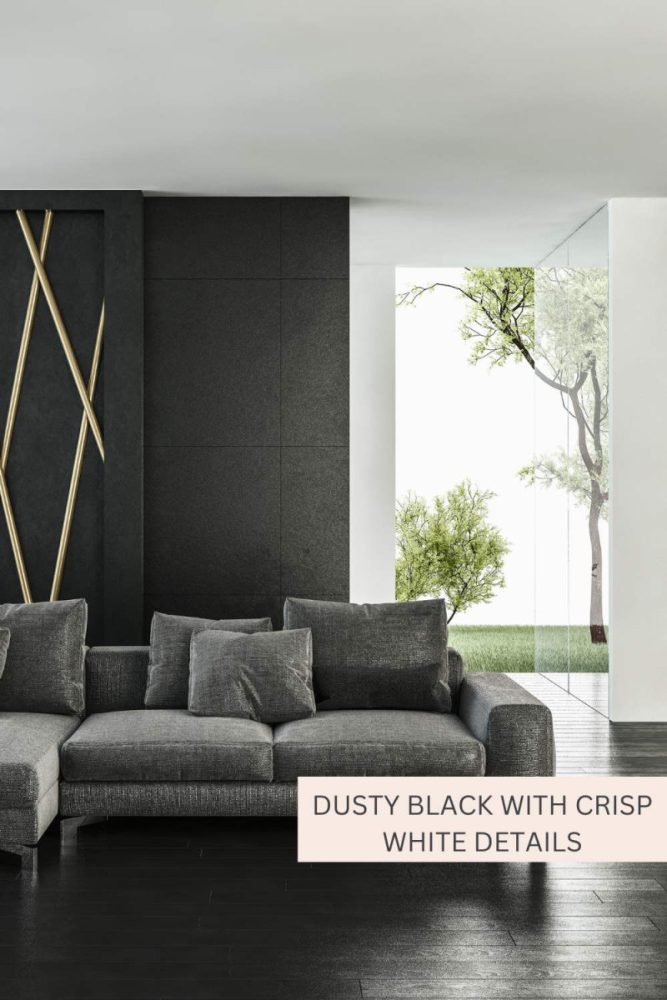
A soft, chalky black paired with bright whites feels tailored and architectural—especially in tighter spaces. Use it in bathrooms, kitchens, or stairwells where contrast can help define the space. We love how clean and confident this palette looks, especially with matte black fixtures or vintage tiles. It’s sharp but still inviting.
Final Take: Small Rooms Deserve Big Drama
Small spaces aren’t design limitations—they’re opportunities. A moody paint color, when done right, adds instant depth and sophistication without demanding square footage. Whether you’re going full monochrome or just dipping your toe in with a moody accent wall, these ideas prove one thing: bold choices pay off. So don’t be afraid of the dark—embrace it, layer it, and let your little space live large.



I have a room which is not only small but doesn’t have a window. Something from years of renovations and additions!! I love the dark green but am very colour shy. Maybe I should just lash out and do it. Not sure the husband will be impressed but I suppose you can always paint over it. Food for thought.