This post contains affiliate links and is a member of the Amazon Services LLC Associates Program. If you make a purchase using one of these affiliate or Amazon links, I may receive compensation at no extra cost to you.
17 Simple Front Yard Garden Ideas That Make a Big First Impression
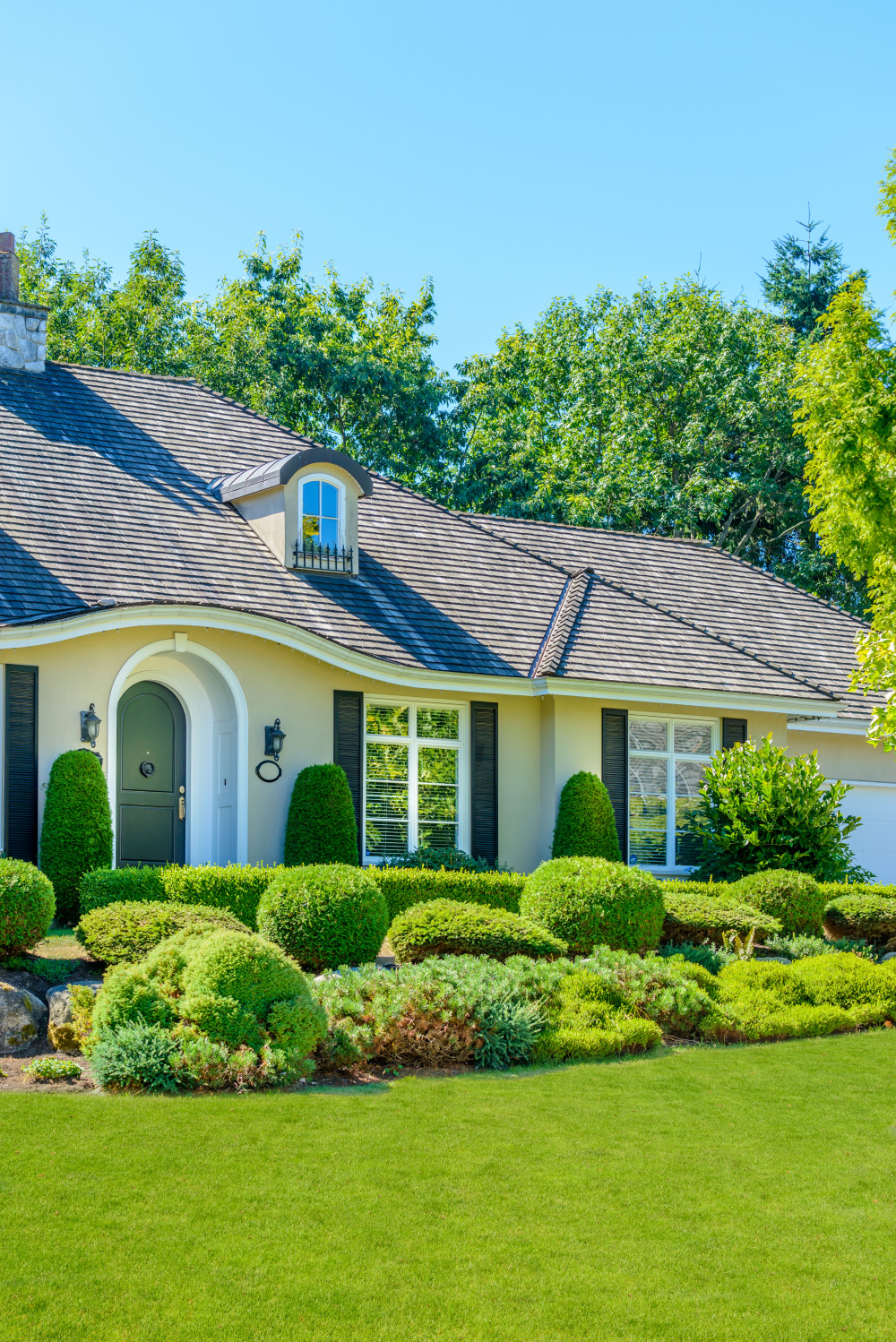
Your front yard is the first thing people see, and honestly, it’s the first thing you see every time you pull into the driveway. But here’s the thing: a great front yard garden doesn’t have to mean weekend after weekend of backbreaking work or a budget that makes your eyes water.
I’ve pulled together the simplest, most doable front yard garden ideas I could find — the kind you can actually pull off without hiring a landscaper or taking a soil science class. Some of these you could knock out in an afternoon. Others are slower projects you’ll enjoy watching fill in over a season. All of them are beginner-friendly.
Grab a coffee, scroll through, and start saving your favorites.
1. Frame the Front Door With Matching Planters
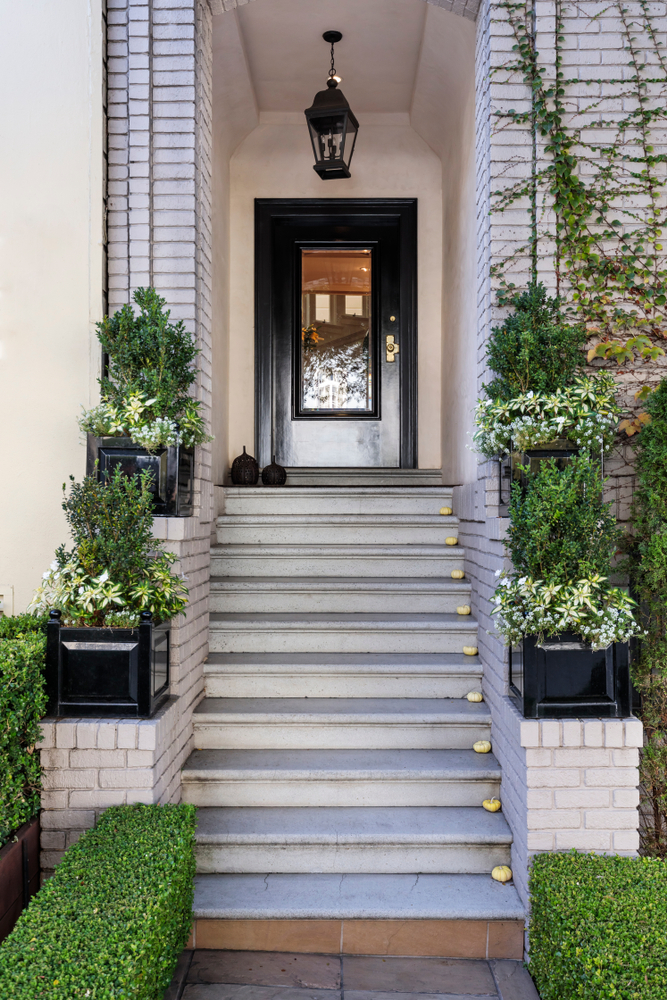
Nothing anchors an entryway like a pair of large planters flanking the front door. Symmetry reads as “intentional” even when the rest of your yard is a work in progress. Fill them with something tall and structural in the center — think boxwood, a small ornamental grass, or a seasonal bloomer — and let trailing greenery spill over the edges.
The beauty here is that planters are basically cheating in the best way. You control the soil, the water, and the look, and you can swap things out seasonally without ever touching a shovel. If you’re nervous about committing to in-ground planting, this is the lowest-risk way to get started.
2. Plant a Low Border Along the Walkway
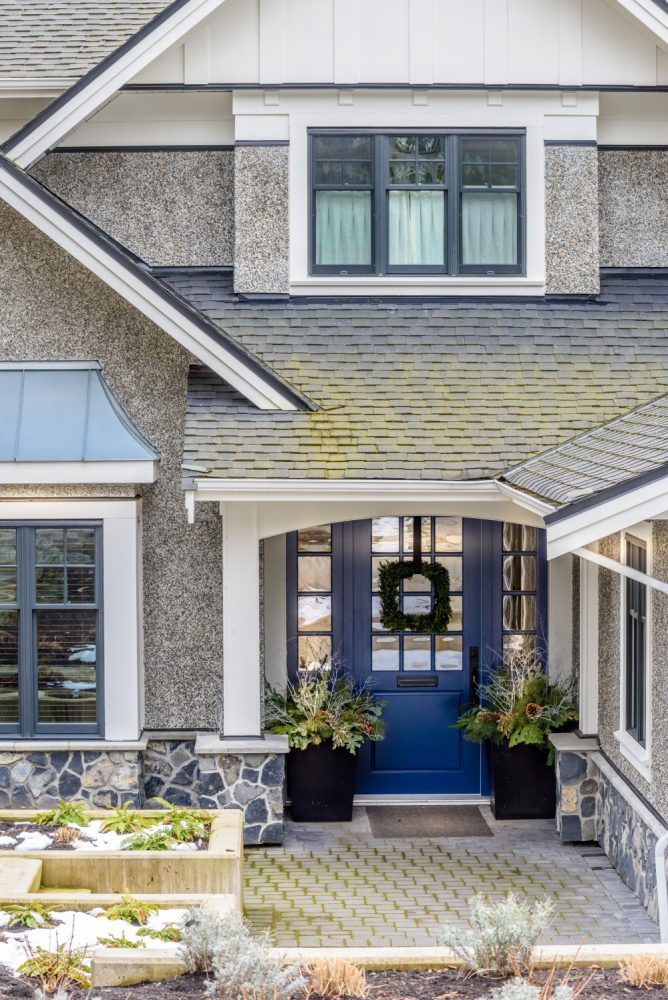
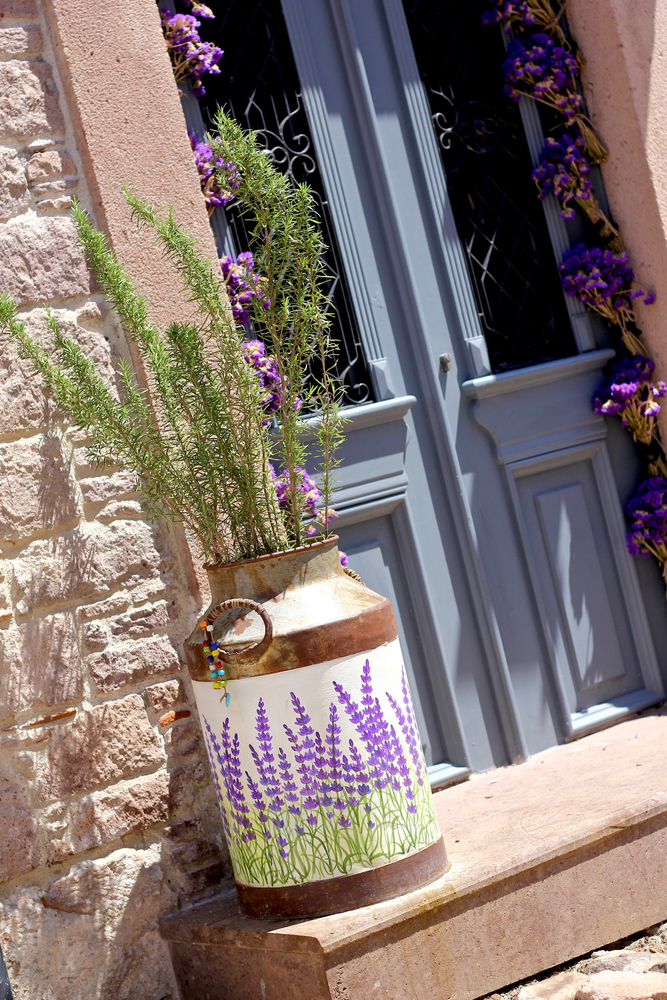
A defined edge along your front walk instantly makes everything look more polished. You don’t need anything fancy — a single row of low, mounding plants like liriope, dwarf mondo grass, or compact lavender does the trick. The repetition is what sells it.
Walkway borders also solve a practical problem: they keep mulch and soil from washing onto your path and they gently guide guests toward your door. Function and beauty, no extra effort required.
3. Build a Simple Raised Bed Near the Porch
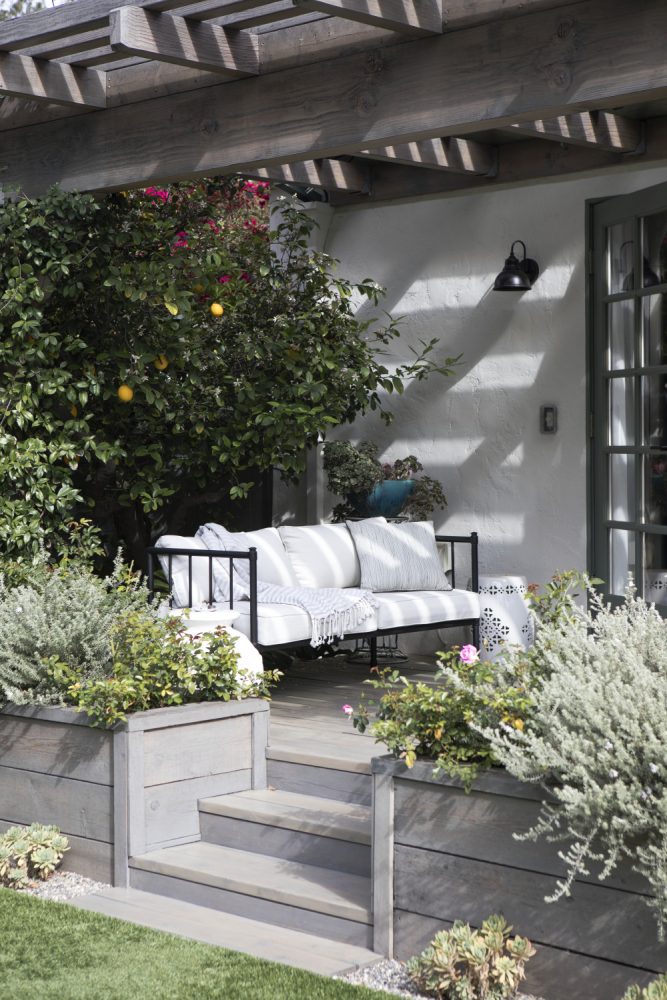
A single raised bed tucked against the porch or under a front window gives you a contained, manageable space to garden in. Because it’s raised, you’re not fighting compacted or rocky native soil, and weeding is easier on your back. Fill it with a mix of evergreen structure and seasonal color so it never looks bare.
Keep it modest — a 4×4 or 4×6 bed is plenty for a front yard. You want it to feel like a curated feature, not a vegetable farm out front (unless that’s your vibe, in which case, go for it).
4. Add a Pop of Color With a Single Flowering Tree
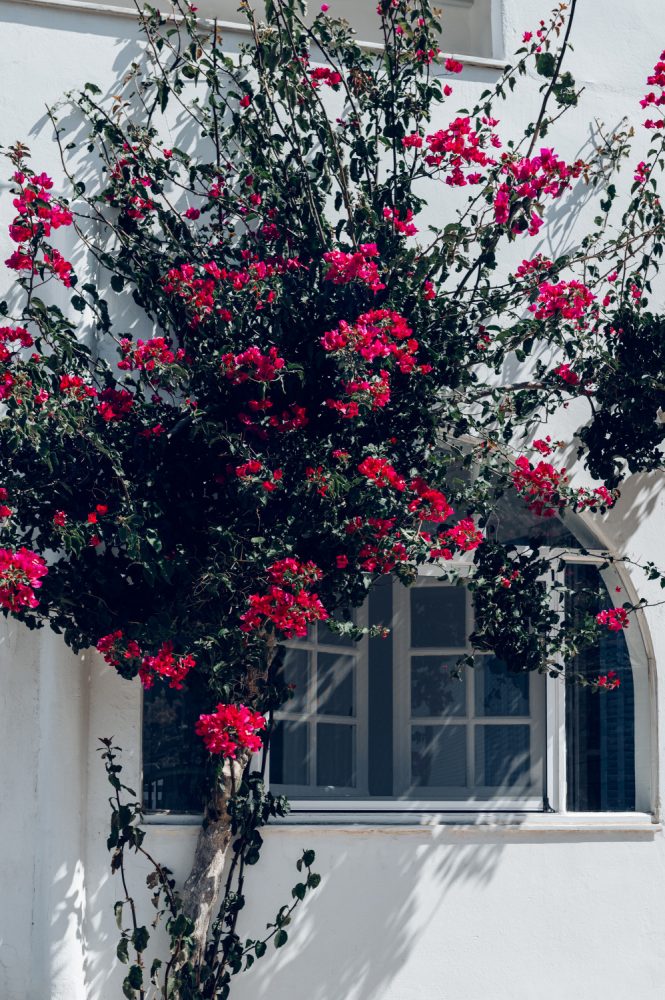
If you only do one thing this year, plant a small flowering tree. A dogwood, redbud, crape myrtle, or Japanese maple becomes the focal point of your entire front yard and does the heavy lifting all on its own. One tree, maximum impact.
The trick is placement. Set it off-center rather than dead in the middle of the lawn, ideally where you can see it from a front window. You’ll be glad you planted it the moment it blooms.
5. Create a Mulched Island Bed in the Lawn
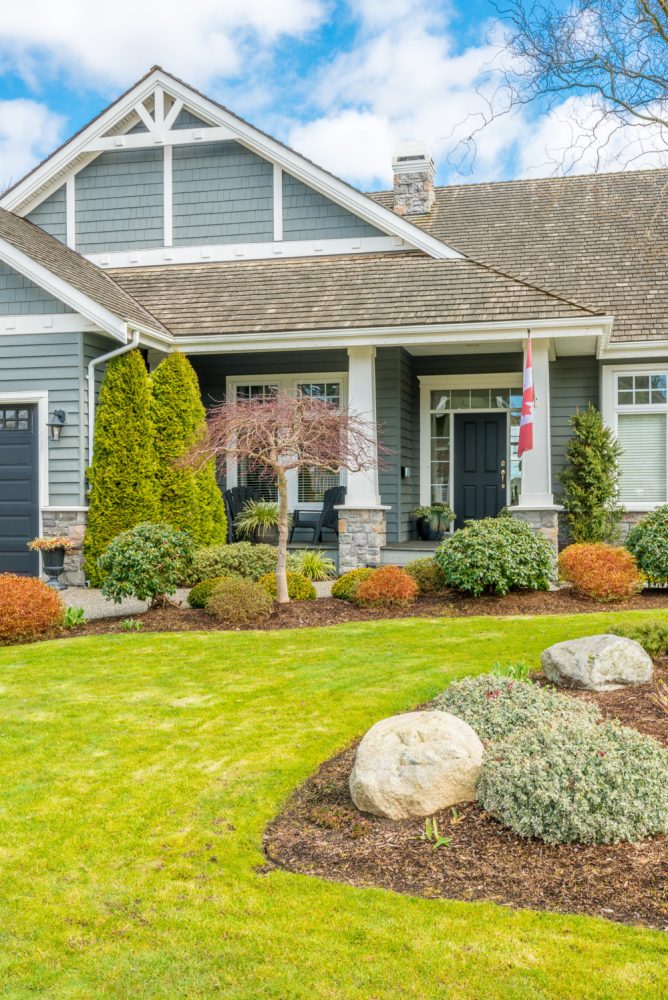
An island bed is a freestanding planting area surrounded by lawn, and it’s one of the easiest ways to break up a flat, boring yard. Cut a soft, curving shape — circles and kidney shapes look the most natural — and fill it with a few shrubs, some perennials, and a layer of mulch to tie it together.
Curves matter more than you’d think. Straight-edged beds can feel rigid, while a gentle curve looks relaxed and established. Lay a garden hose on the ground to test the shape before you start digging.
6. Line the Driveway With Ornamental Grasses
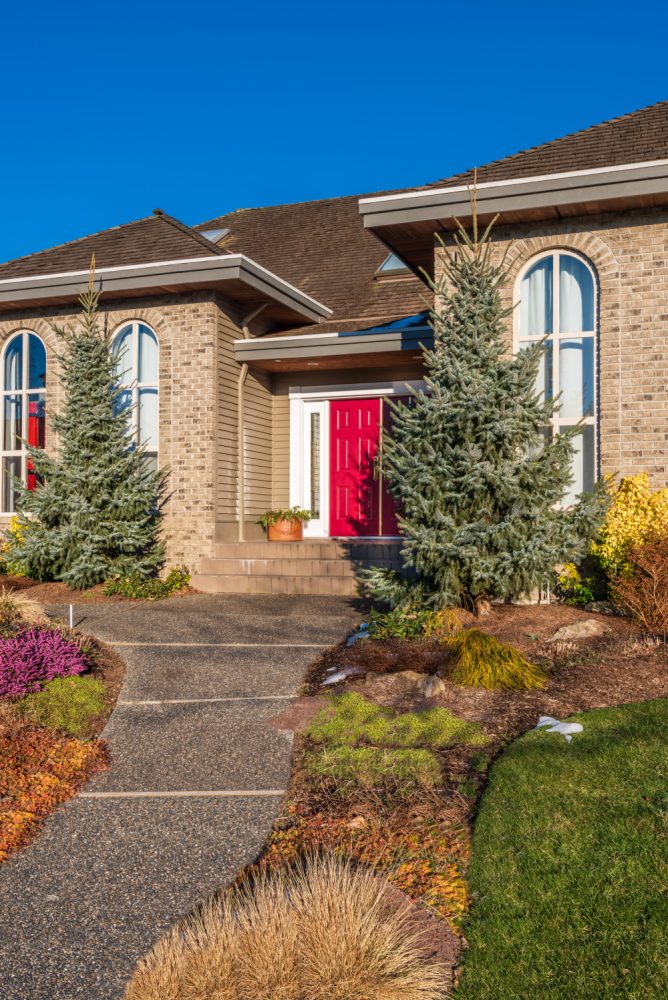
Ornamental grasses are the busy gardener’s secret weapon. They’re drought-tolerant, nearly impossible to kill, and they add movement and texture that most front yards are missing. A row along the driveway softens all that hard pavement and gives you four seasons of interest.
Look for clumping varieties like fountain grass or feather reed grass that stay tidy rather than spreading everywhere. Cut them back once a year in early spring and you’re basically done.
7. Tuck in a Cozy Garden Bench
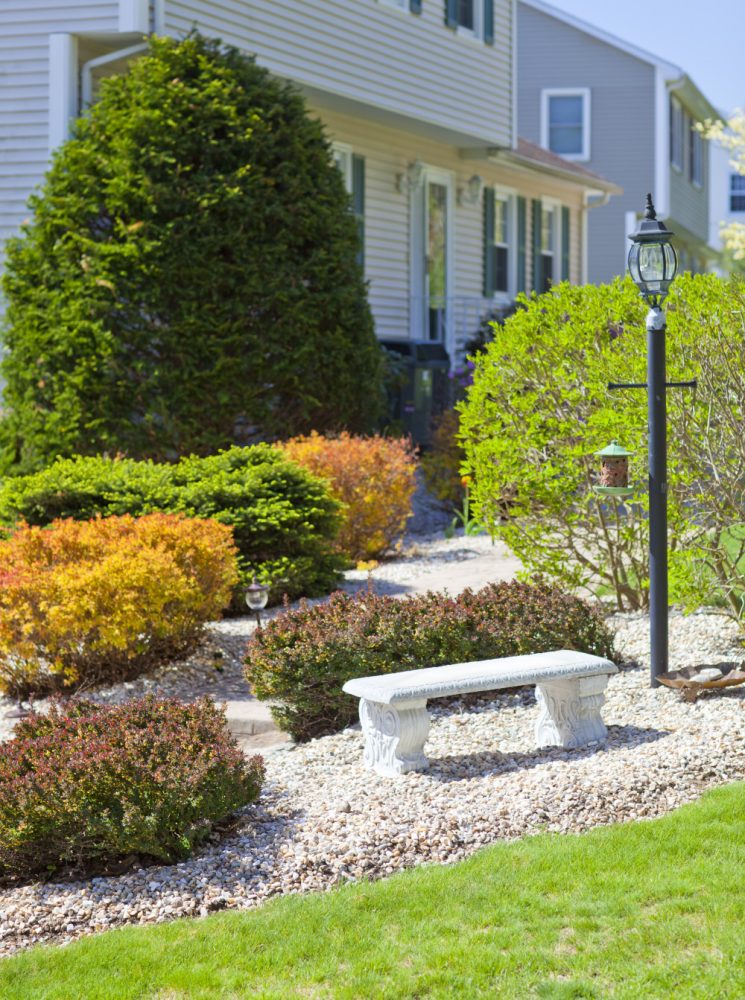
A bench isn’t just seating — it’s an invitation. Placing one in your front yard, even if no one ever sits on it, signals that your space is meant to be enjoyed. Surround it with low plantings or a small bed and suddenly you’ve created a little destination.
Tuck it under a tree for shade, or position it to catch the morning sun. Either way, it adds that lived-in, welcoming charm that makes a front yard feel like a home rather than just a lawn.
8. Go Vertical With a Trellis or Arbor
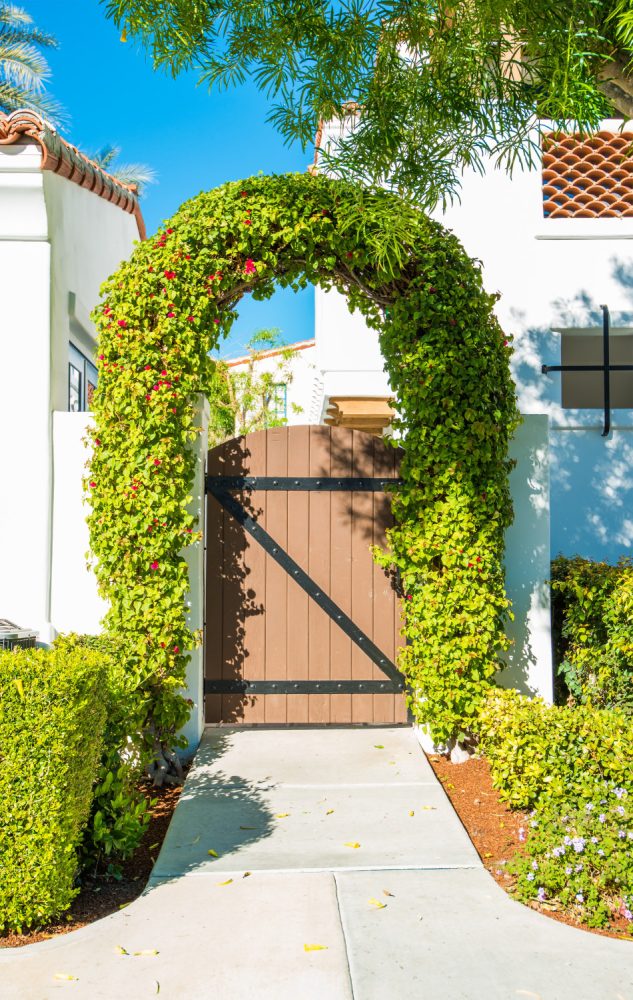
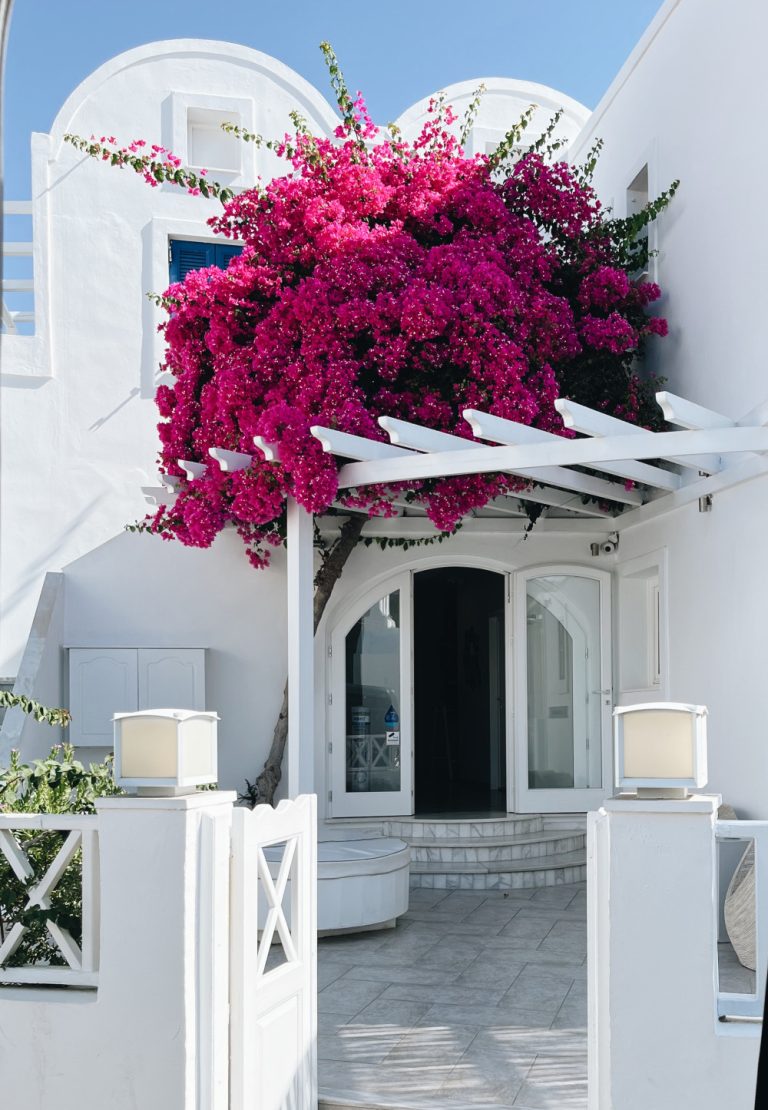
When ground space is tight, build upward. A simple trellis against the house or a freestanding arbor over the walkway adds height and romance without taking up much footprint. Train a climbing rose, clematis, or even sweet peas up it for a soft, cottage-garden feel.
Vertical elements draw the eye up and make small front yards feel bigger and more dimensional. An arbor at the start of your walkway also creates a lovely sense of arrival.
9. Use Stepping Stones Through a Planted Area
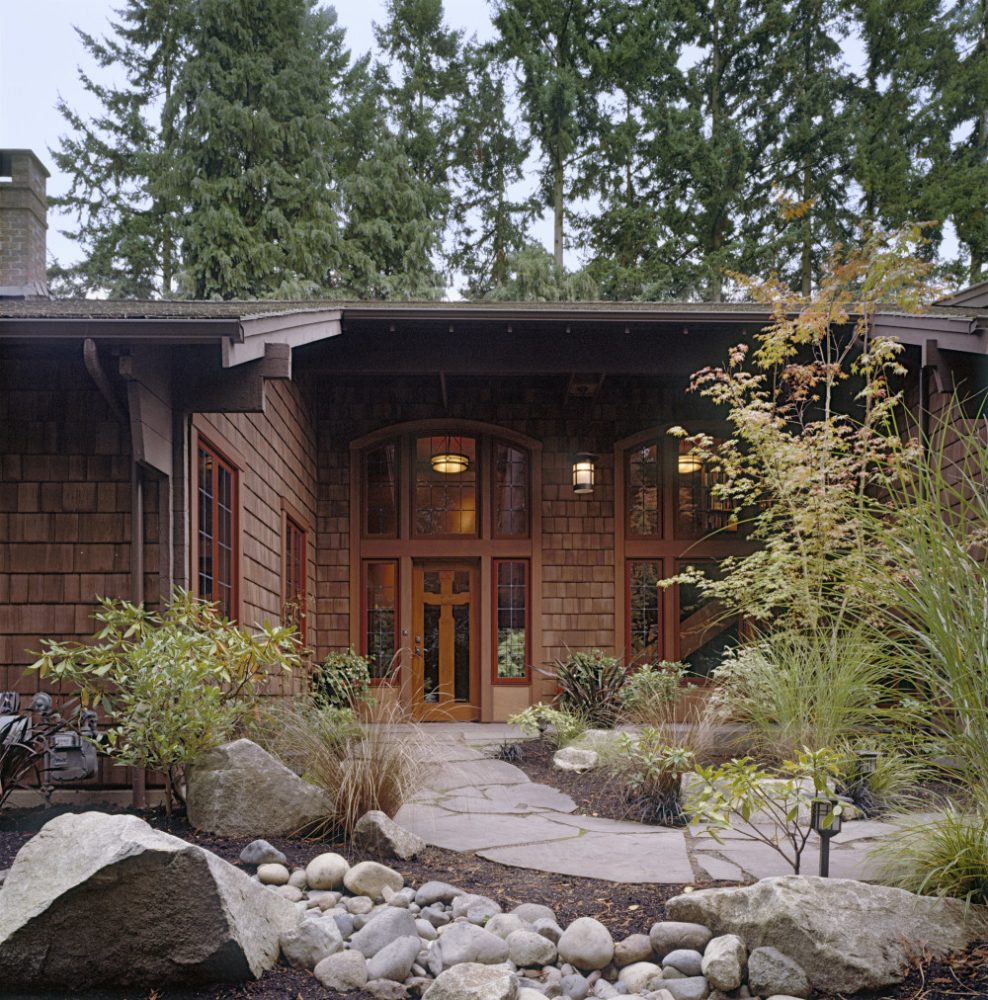
Stepping stones set into a bed of low groundcover or gravel create a charming path that feels like a secret garden. They’re perfect for those awkward side strips next to the house or for connecting the driveway to the front door in a more interesting way than plain concrete.
Space them a comfortable stride apart and let creeping thyme, baby’s tears, or moss fill the gaps. Bonus: the groundcover means less to mow and less to weed.
10. Mass One Plant for a Designer Look
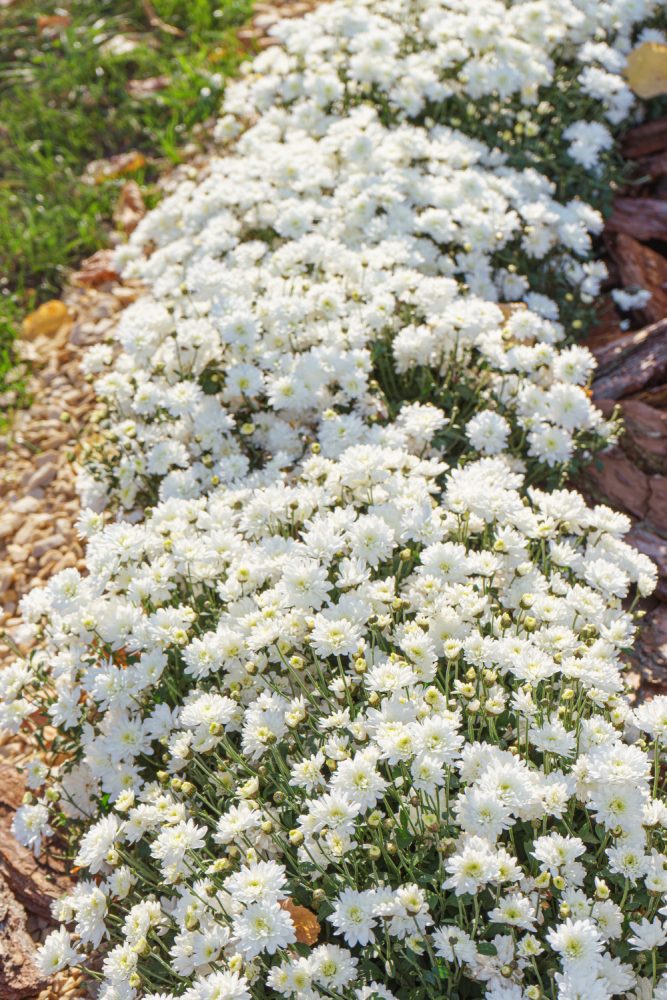
Here’s a designer trick that costs nothing extra: instead of buying one of everything, buy a lot of one thing. Planting a single variety in a big sweep — say, a drift of black-eyed Susans, daylilies, or hydrangeas — looks intentional and high-end, while a mishmash of singles tends to look chaotic.
Repetition reads as luxury. It’s the same reason a field of lavender takes your breath away while a random assortment never quite does. Pick a star plant and let it shine in numbers.
11. Add Solar Path Lights for Evening Magic
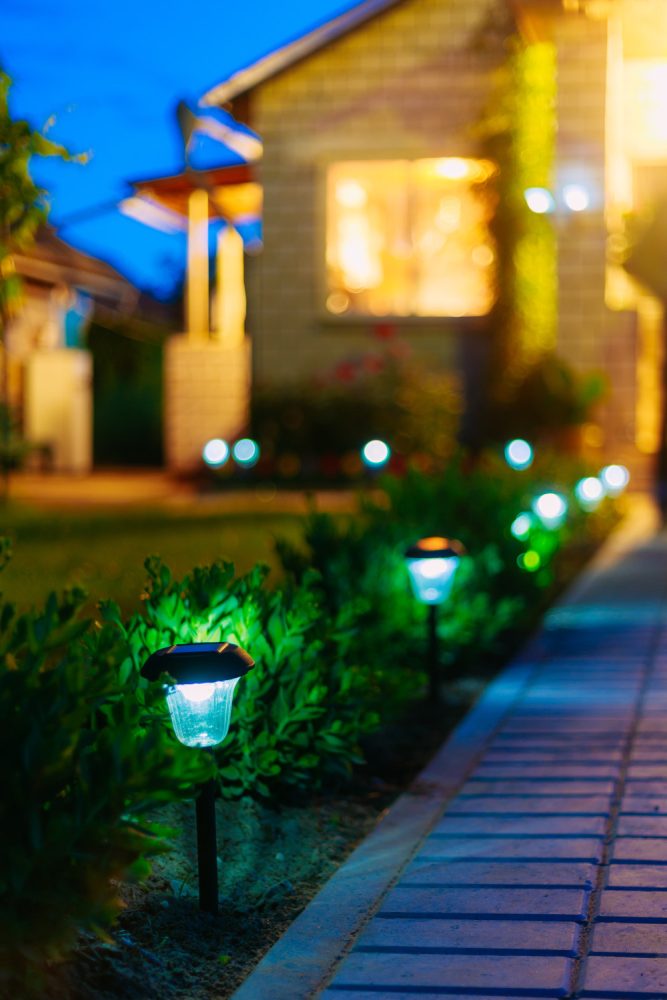
Lighting transforms a front yard after dark, and solar path lights make it effortless. No wiring, no electrician, no monthly cost — you just push them into the ground along your walkway or bed edges and let the sun do the rest. By evening, your garden glows.
Beyond the ambiance, path lighting is genuinely practical for guests and for safely navigating your own walk at night. Choose a warm white tone rather than harsh blue-white for the coziest effect.
12. Plant a Foundation Border Along the House
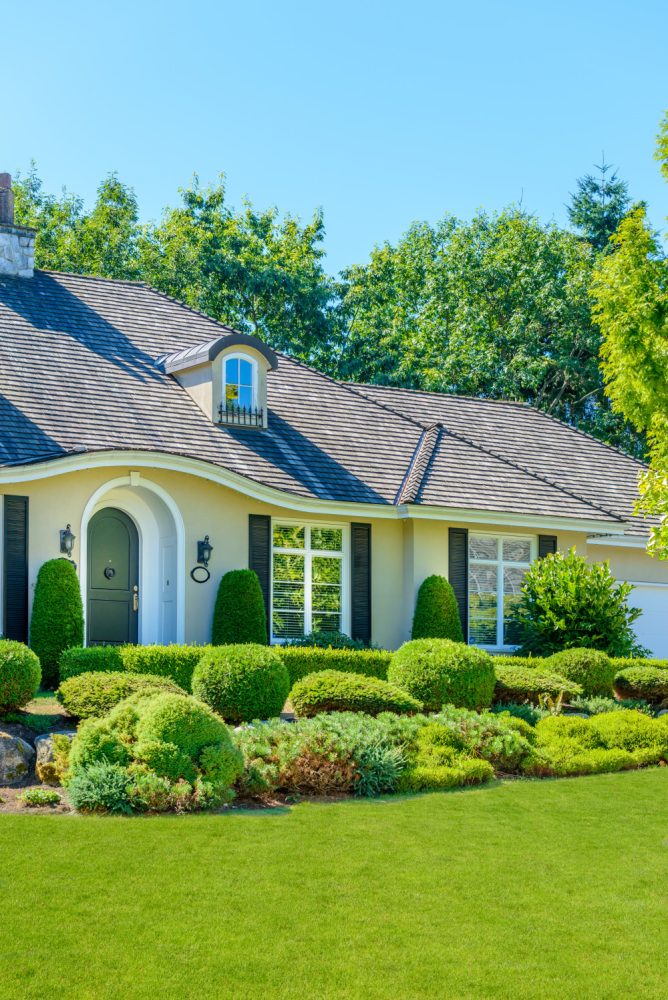
The strip of dirt between your house and the lawn is prime real estate, and a foundation planting fills it beautifully. A mix of evergreen shrubs for year-round structure, anchored with a few flowering perennials, hides the bare base of your home and ties the house to the landscape.
Keep taller plants toward the house and shorter ones in front so nothing gets hidden. Leave a little breathing room between the shrubs and the wall for airflow and easy maintenance.
13. Drop in a Birdbath or Small Water Feature
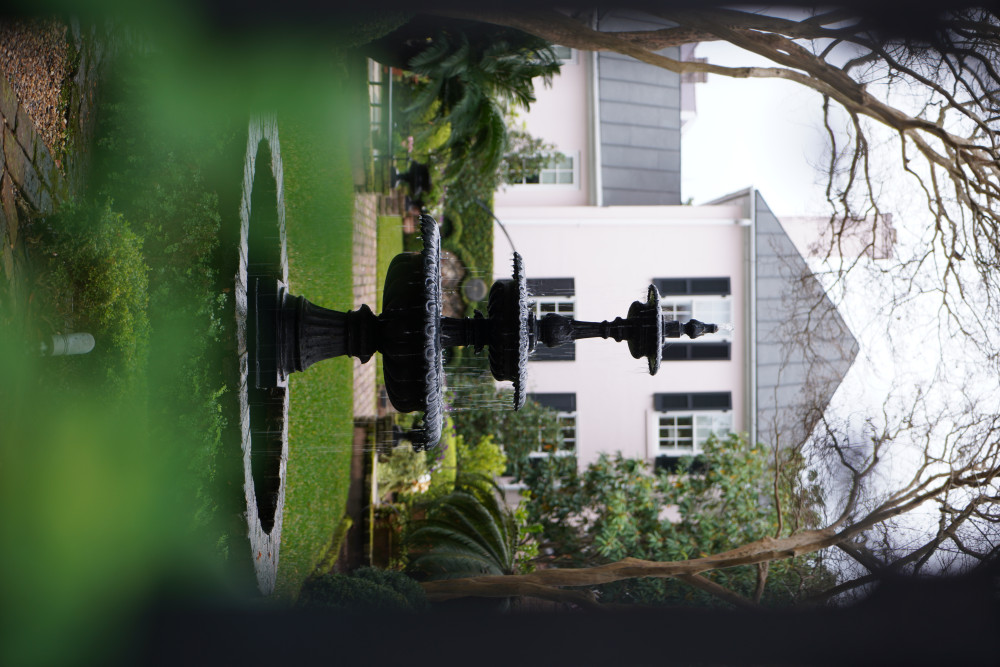
A birdbath or compact fountain adds a focal point and a little life to your front yard — literally, once the birds find it. The sound of trickling water is calming, and a water feature instantly makes a garden feel more considered and serene.
You don’t need plumbing. Plenty of self-contained, recirculating fountains just need a nearby outlet, and a classic birdbath needs nothing at all but a refill now and then. Set it within a planting bed so it feels nestled in rather than plopped down.
14. Edge Your Beds With Natural Stone
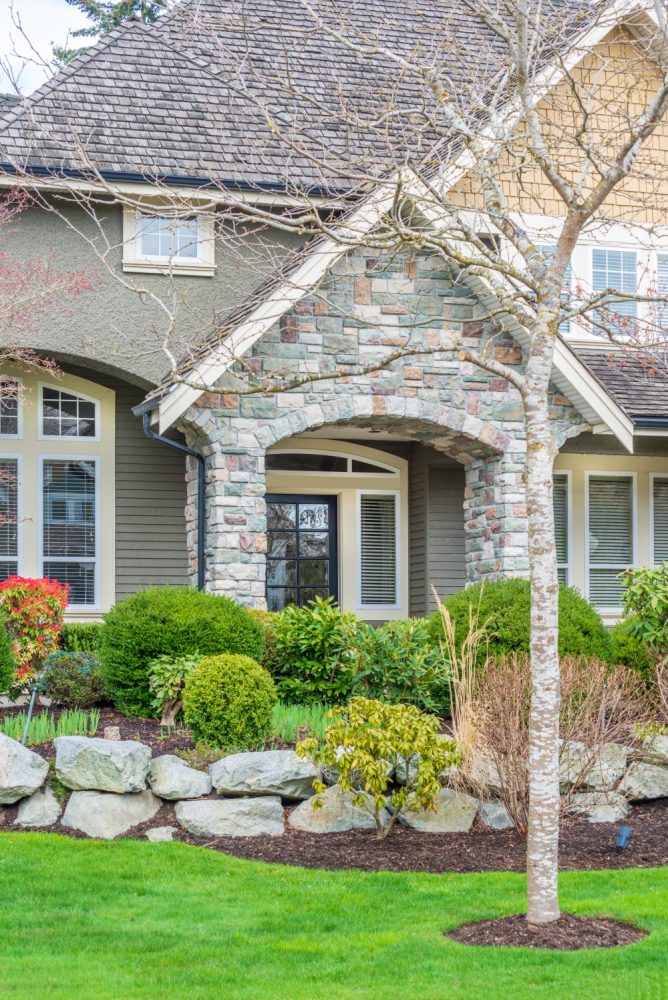
A crisp edge is what separates a front yard that looks “done” from one that looks like it’s still in progress. Natural stone or brick edging gives your beds a clean, finished border that also keeps grass from creeping into your plantings.
It’s a one-time project with a long payoff. Once your edging is in, your beds will look sharp with almost no ongoing effort, and mowing along a defined edge is far easier than guessing where the lawn ends.
15. Create a Pollinator Patch
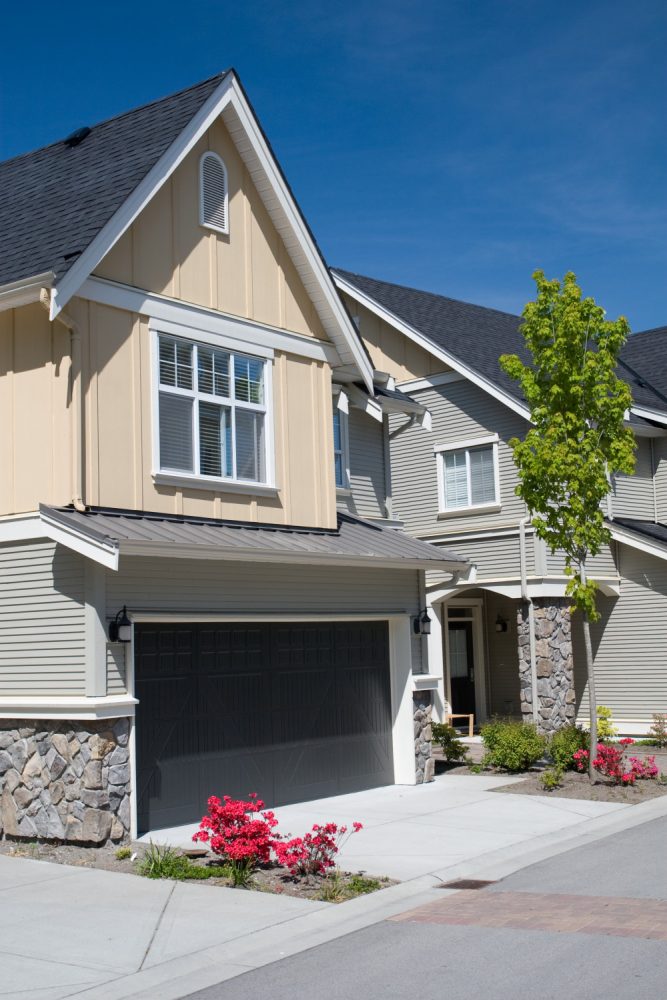
Carve out a sunny corner for a pollinator garden packed with bee- and butterfly-friendly blooms like coneflower, salvia, bee balm, and milkweed. It’s beautiful, it’s low-maintenance once established, and it does real good for your local ecosystem.
Pollinator plants tend to be tough, drought-tolerant natives that practically take care of themselves. You get color all season long and a front yard that’s quietly buzzing with life.
16. Define a Tidy Lawn-Free Front Yard With Gravel
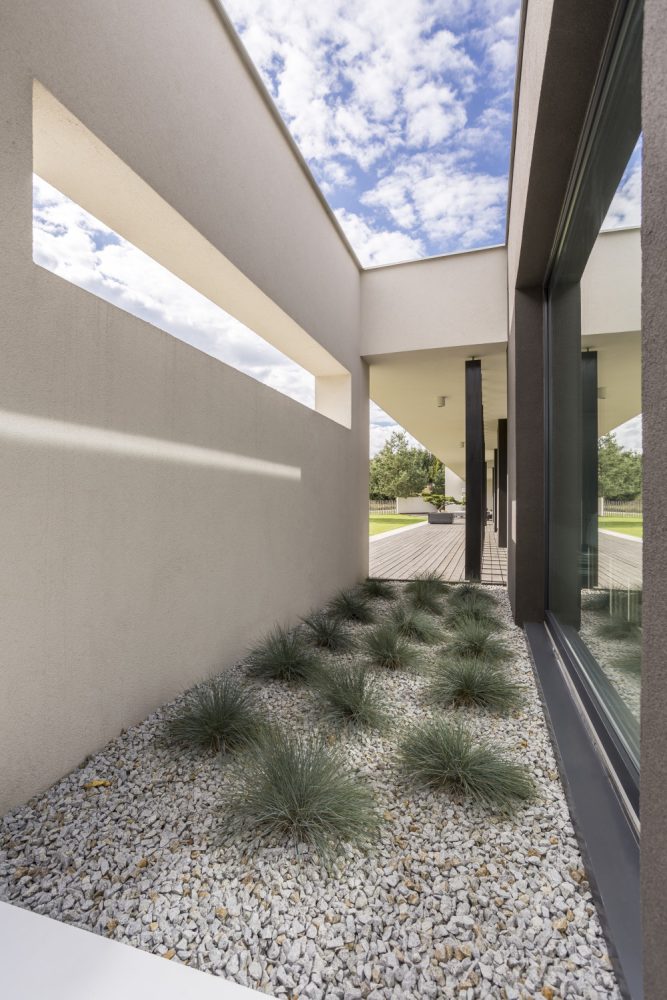
If you’re over mowing, consider replacing some or all of your lawn with a gravel garden. A bed of decorative gravel studded with drought-tolerant plants, a few boulders, and some structural grasses looks modern, clean, and is wildly low-maintenance.
This works especially well in hot, dry climates where keeping a lush lawn is a constant battle. Lay down landscape fabric first to keep weeds at bay, and you’ve got a front yard that looks great with a fraction of the upkeep.
17. Hang Window Boxes for Instant Charm
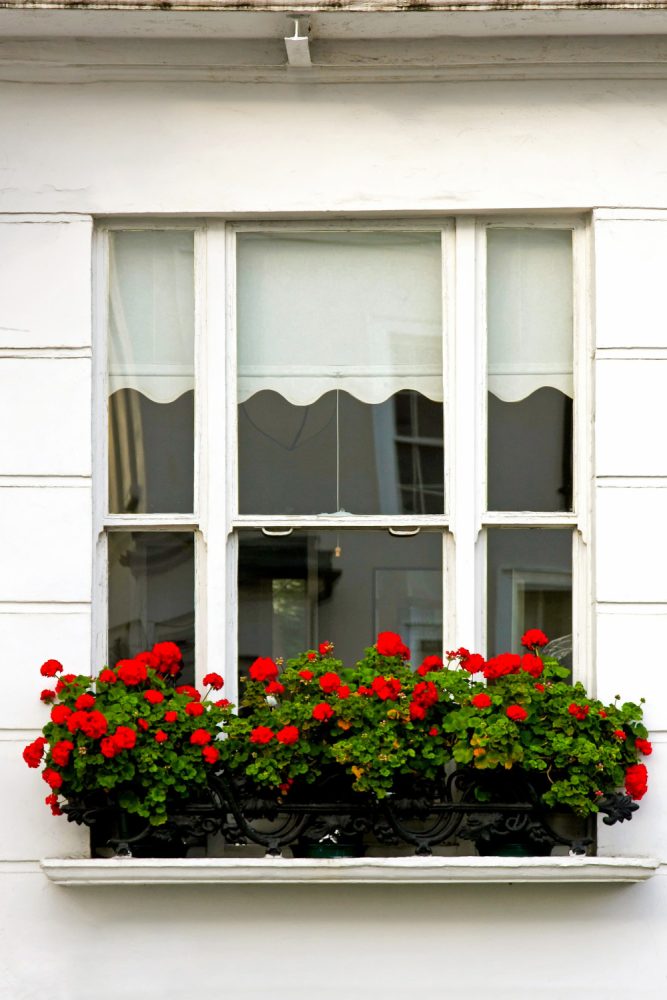
Window boxes are the fastest way to add charm to the front of your home, and they bring the garden right up to eye level. Overflowing with seasonal flowers and trailing greenery, they make even a plain facade look like a storybook cottage.
They’re also a perfect project for renters or anyone short on yard space. Mix uprights, fillers, and spillers in each box — the classic “thriller, filler, spiller” formula — and refresh them with the seasons.
Your Front Yard Garden, One Simple Step at a Time
The best part about every idea on this list is that you don’t have to do them all at once. Pick one project this weekend — maybe a pair of planters by the door or a row of grasses along the drive — and build from there. A front yard garden is never really “finished,” and that’s exactly what makes it fun.
Start small, choose the ideas that fit your space and your time, and watch your curb appeal grow season after season. Your future self pulling into the driveway will thank you.