
This post contains affiliate links and is a member of the Amazon Services LLC Associates Program. If you make a purchase using one of these affiliate or Amazon links, I may receive compensation at no extra cost to you.
15 Painted Wood Trim Accent Wall Ideas That Actually Work
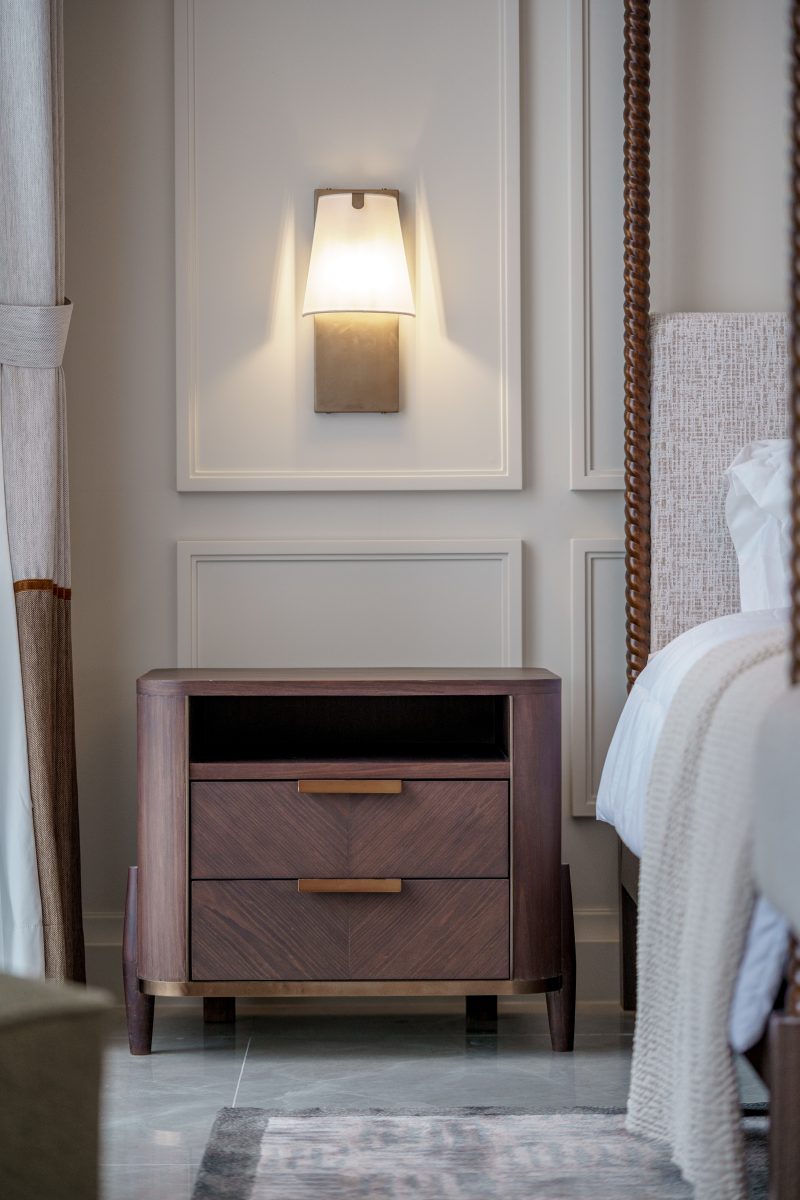
15 painted wood trim accent wall ideas with real paint colors and sourcing tips — plus honest takes on what’s worth the effort.
Painted wood trim accent walls have serious staying power — unlike wallpaper that dates itself in five years, a well-executed trim wall ages like good wine. The trick isn’t just slapping some boards on the wall and calling it a day.
You need the right proportions, the perfect paint color, and honestly, the patience to do it right the first time. These 15 ideas prove that when it comes to painted wood trim accent walls, execution is everything.
The Exact Paint Colors and Materials You Need
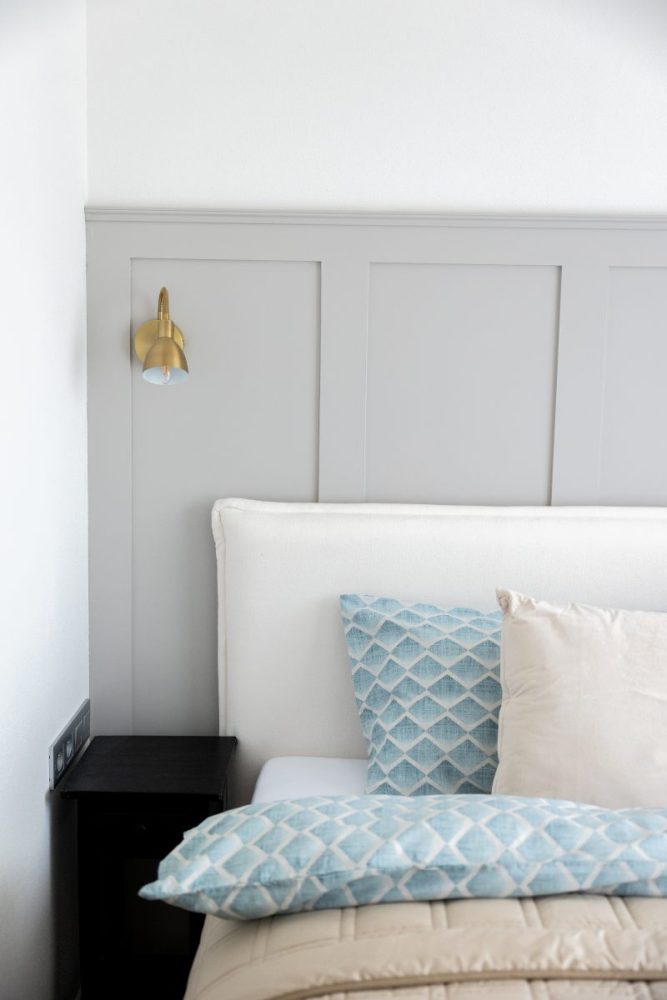
Start with semi-gloss or satin paint. Flat paint shows every fingerprint and scuff — not worth the headache on trim work that gets touched constantly.
Benjamin Moore Advance is your best bet for durability. It’s a water-based alkyd that dries hard like oil paint but cleans up with soap and water, running about $65 per gallon at most paint stores.
Use 1×2 or 1×3 pine boards from Home Depot or Lowe’s. They’re usually under $3 per 8-foot board and prime beautifully — skip the expensive hardwoods for painted projects.
Invest in a quality 2.5-inch angled brush. I swear by Purdy XL Dale brushes ($25-30) — they hold more paint and leave fewer brush marks than cheaper options.
Pre-paint everything before installation. Trust me on this — trying to paint intricate trim work after it’s on the wall is a nightmare that’ll add hours to your project.
Plan for 16-inch spacing on vertical boards. It’s the sweet spot that works with standard stud spacing and looks proportional in most rooms without feeling cramped.
1. Classic Board and Batten in Charcoal
This is hands down the most foolproof option on the list — board and batten painted in a rich charcoal like Benjamin Moore Wrought Iron 2124-10 never looks dated. The vertical lines add height to any room, and the dark color creates serious drama without being overwhelming.
Perfect for bedrooms or dining rooms where you want that moody, sophisticated vibe. Fair warning though — dark colors show dust more than you’d think, so plan on wiping down the trim monthly if you’re a neat freak.
2. Geometric Grid Pattern in Deep Navy
I’m partial to this one — the geometric grid creates visual interest without being too busy, and when painted in something like Benjamin Moore Hale Navy HC-154, it feels both classic and contemporary. The symmetrical pattern works especially well behind a bed or sofa.
Best for rooms with high ceilings (9 feet minimum) since the grid can make lower ceilings feel cramped. You’ll need a good miter saw and serious patience for all those corner cuts, but the payoff is worth it.
3. Light Green Office Paneling
Sage green trim work is having a major moment, and this light green board and batten proves why — it’s calming without being boring. Using affordable lattice moulding keeps costs under $200 for most accent walls, and the color works beautifully in home offices or nurseries.
This shade works best in rooms with good natural light — in a dark space, it can look muddy. Consider something like Clare’s Current Mood or Sherwin Williams Clary Sage SW 6178 for that perfect barely-there green.
4. Asymmetrical Wood Pattern in Forest Green
This asymmetrical approach breaks all the rules — and that’s exactly why it works. The random pattern feels organic and modern, especially when painted in a deep forest green like Benjamin Moore Hunter Green 2041-10.
Not for beginners though — getting the proportions right requires a good eye and some trial and error. Plan your layout on paper first, and don’t be afraid to adjust as you go.
5. Modern Geometric Triangles
Geometric triangles painted in contrasting colors create serious visual impact — think navy triangles against white walls or charcoal against cream. It’s architectural art that doubles as a focal point.
This one requires precision cutting and careful measuring, so it’s definitely a weekend project. Works best in modern or contemporary spaces where the bold geometry fits the overall aesthetic.
6. Herringbone Board Pattern
Herringbone trim work is more complex than straight lines, but the payoff is incredible — it adds texture and movement that catches the eye without being overwhelming. Paint it in a warm white like Benjamin Moore Cloud White OC-130 for maximum impact.
Definitely requires intermediate DIY skills since every piece needs to be cut at an angle. Budget extra time for this one — the measuring and cutting process is more involved than it looks.
7. Traditional Wainscoting in Soft Blue
Classic wainscoting gets a fresh update when painted in a soft blue like Clare’s Headspace or Benjamin Moore Palladian Blue HC-144. The traditional proportions feel timeless, while the color keeps it from looking stuffy.
Works in any room but especially beautiful in powder rooms or entryways where you want to make a statement. The lower height makes it perfect for rooms with standard 8-foot ceilings.
8. Vertical Slat Wall in Urbane Bronze
Vertical slats create clean lines and make ceilings look taller — paint them in Sherwin Williams Urbane Bronze SW 7048 for a sophisticated, hotel-like vibe. The narrow slats cast subtle shadows that add depth throughout the day.
Great for renters since you can often achieve this look with removable adhesive strips. Just make sure your walls are perfectly plumb — any wonkiness shows up immediately with vertical lines.
9. Picture Frame Molding in Warm White
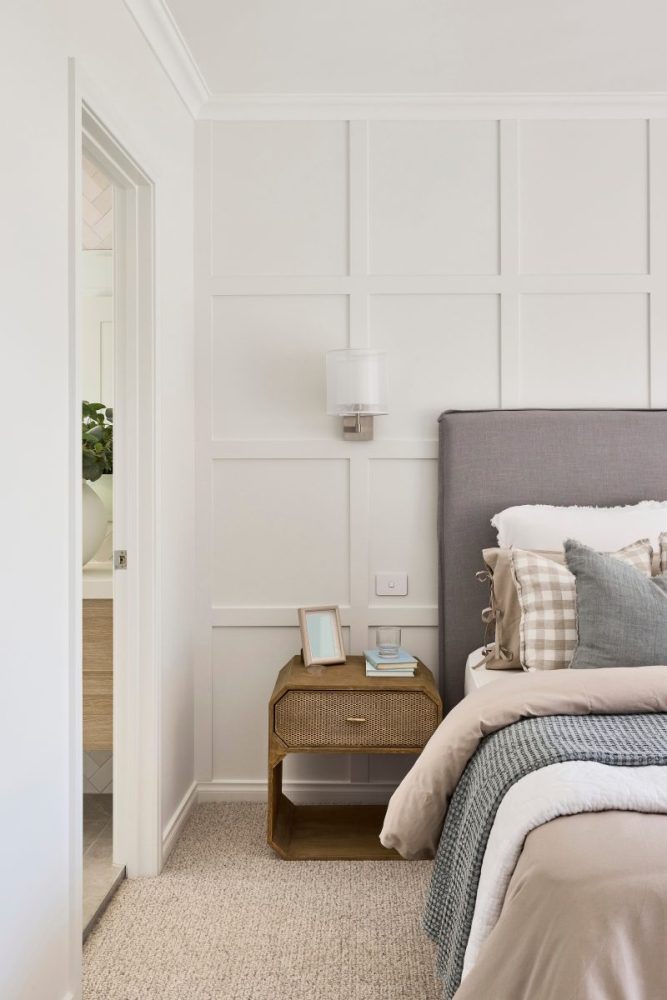
Picture frame molding is the grown-up version of basic trim work — the raised panels add architectural interest without overwhelming the space. Paint it in a warm white like Benjamin Moore White Dove OC-17 for that expensive, custom millwork look.
Perfect for traditional or transitional homes where you want architectural detail that doesn’t compete with furniture. Works especially well in dining rooms or formal living spaces.
10. Diagonal Pattern in Charcoal Gray
Diagonal trim creates movement and energy — paint it in a sophisticated charcoal gray like Benjamin Moore Kendall Charcoal HC-166 for maximum drama. The angled lines draw the eye up and across the wall in interesting ways.
This pattern works best as a statement wall behind a bed or sofa where it won’t compete with other elements. Fair warning — measuring and cutting all those angles requires patience and a good miter saw.
11. Wide Horizontal Boards in Sage Green
Wide horizontal boards painted in sage green create a calming, spa-like atmosphere — think Benjamin Moore October Mist 1495 or Sherwin Williams Retreat SW 6207. The horizontal lines make rooms feel wider and more expansive.
Works beautifully in bedrooms or bathrooms where you want a serene vibe. The wider boards are actually easier to install than narrow ones, making this a good option for DIY beginners.
12. Mixed-Width Vertical Strips
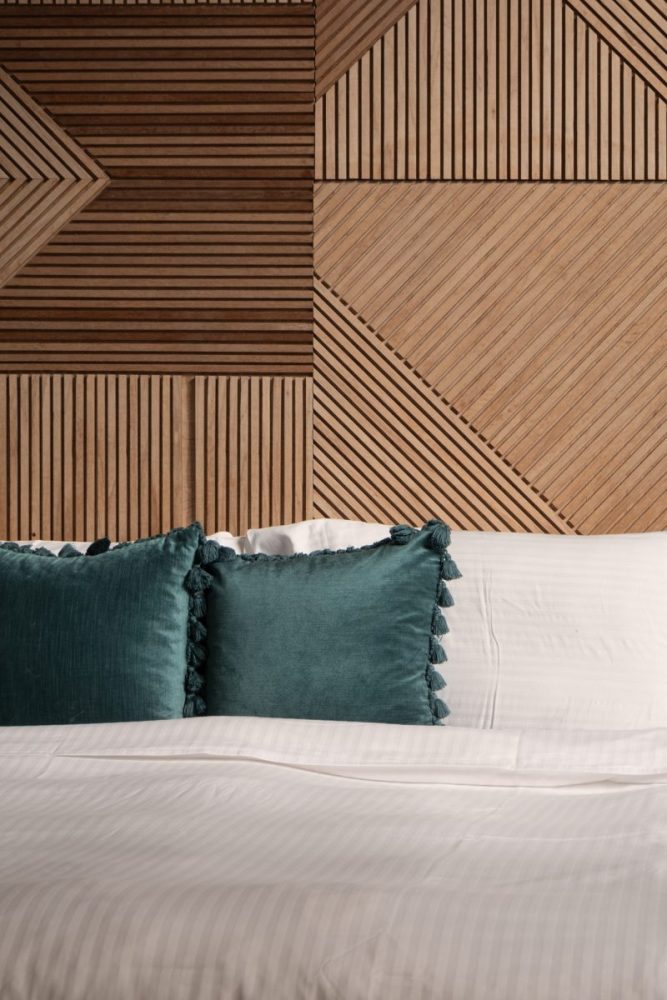
Varying the width of vertical strips creates visual texture without being too busy — mix 2-inch, 3-inch, and 4-inch boards for the most interesting effect. Paint everything the same color to keep it cohesive.
This approach works well when you want architectural interest but don’t want perfectly symmetrical lines. It’s also more forgiving if your measurements aren’t perfect — the irregularity is part of the charm.
13. Curved Art Deco Pattern
Art deco-inspired curves painted in deep jewel tones create a truly unique focal point — think emerald green or navy blue for maximum impact. The curved lines soften the room while still making a bold statement.
This one’s definitely for advanced DIYers since cutting smooth curves requires a jigsaw and steady hand. Plan your pattern carefully on paper first — curves are much harder to adjust than straight lines.
14. Riverway Geometric Feature
This geometric pattern painted in Sherwin Williams Riverway SW 6222 proves that blue-green can be sophisticated — the complex pattern creates serious visual interest while the muted color keeps it from being overwhelming.
Best suited for rooms where it can be the main focal point since the pattern demands attention. The precision required makes this a challenging project, but the results are absolutely worth the effort.
15. Renter-Friendly Removable Panels
Adhesive-backed trim panels painted in your color of choice give you the look without the commitment — perfect for renters or anyone who likes to change things up. Use 3M Command Strips rated for the weight of your boards.
The key is choosing lightweight materials and painting them before installation. It’s not quite as polished as permanently installed trim, but it’s 90% of the look with 100% of the flexibility.
What It Really Costs to DIY Wood Trim Accent Walls
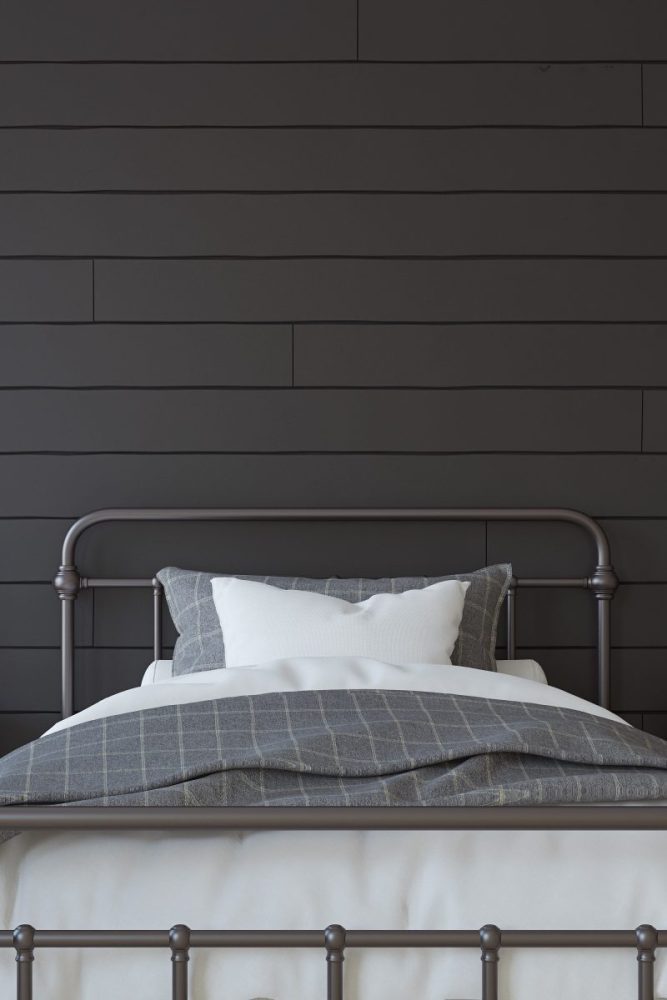
Most painted wood trim accent walls run $150-400 for materials, depending on the complexity and quality of lumber you choose. Pine boards from Home Depot cost $2-4 per linear foot, while pre-primed MDF runs slightly less but dents more easily.
Paint adds another $50-80 for quality trim paint like Benjamin Moore Advance or Sherwin Williams ProClassic. Don’t cheap out here — trim paint gets touched constantly and needs to hold up to daily wear.
Tools are where costs can add up if you don’t already own them. A decent miter saw runs $150-300, but you can rent one from Home Depot for about $40 per day if it’s a one-time project.
Plan on 8-12 hours of work for a typical accent wall, including prep, painting, and installation. The measuring and cutting takes longer than you’d expect, especially for geometric patterns that require precise angles.
When to DIY vs. Hire a Professional
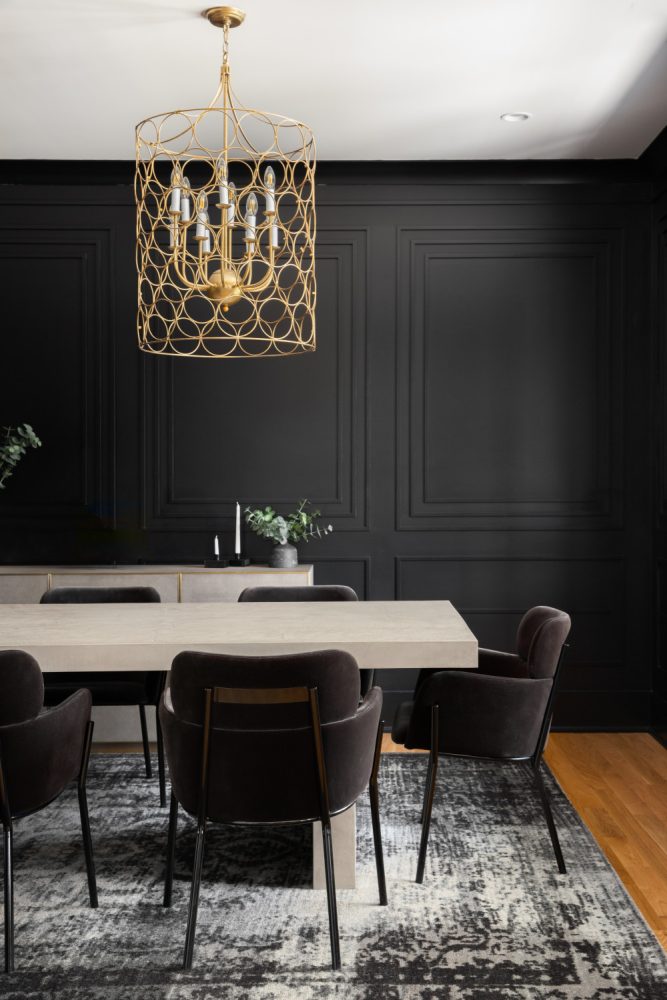
Simple board and batten or vertical slat walls are perfect DIY projects — the cuts are straightforward and small mistakes aren’t noticeable. If you can handle basic power tools and have patience for measuring, you can tackle these.
Complex geometric patterns or anything requiring curved cuts should probably go to a professional. The precision required for perfect corners and seamless joints is harder than it looks, and mistakes are expensive to fix.
Consider hiring out if you’re working with expensive hardwoods or in a high-visibility area like an entryway. A professional carpenter will charge $50-80 per hour but can complete the work in half the time with better results.
Always hire a pro if electrical work is involved — moving outlets or switches to accommodate your new trim work requires proper permits and electrical knowledge.
Paint Colors That Actually Work for Wood Trim
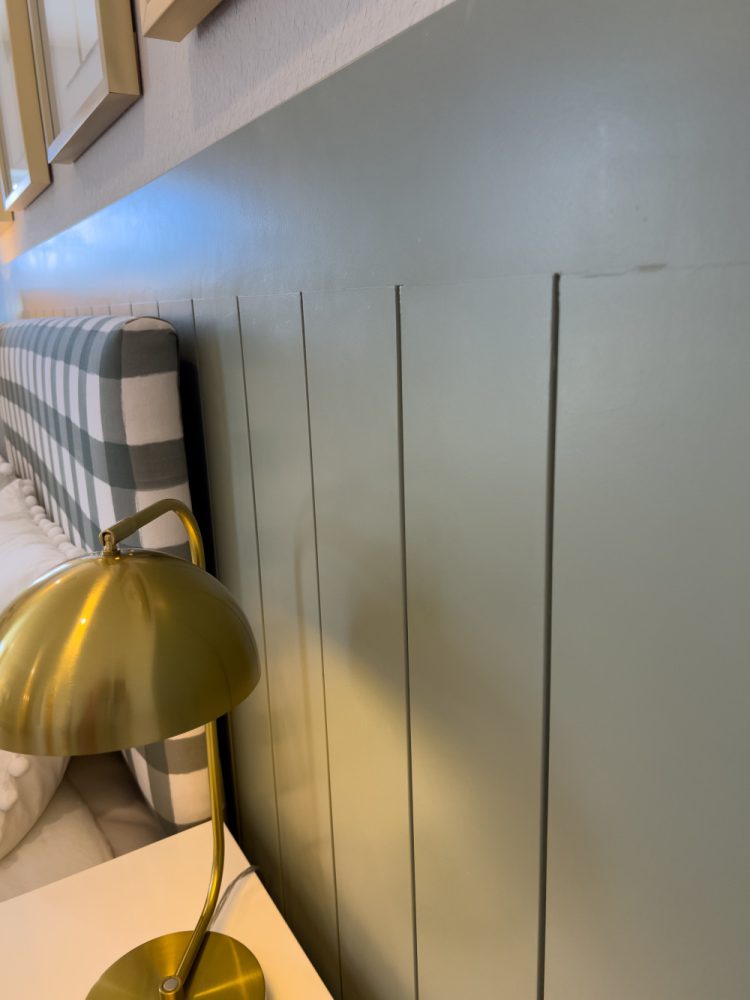
- Benjamin Moore White Dove OC-17: The perfect warm white that doesn’t read stark or cold — works with any existing wall color
- Sherwin Williams Urbane Bronze SW 7048: A sophisticated dark brown that’s warmer than black but just as dramatic
- Benjamin Moore Hale Navy HC-154: Classic navy that feels timeless rather than trendy — pairs beautifully with brass hardware
- Clare Current Mood: The perfect sage green that works in any light — not too yellow, not too gray
- Benjamin Moore Kendall Charcoal HC-166: A true charcoal gray that adds drama without being overwhelming
- Sherwin Williams Clary Sage SW 6178: A muted green-gray that’s calming but not boring — perfect for bedrooms
Which Room Are You Starting With?
The best painted wood trim accent walls balance ambition with practicality — start with a simple board and batten design in a bedroom or dining room before tackling complex geometric patterns. Once you nail the basics, you can get more adventurous with future projects.
Remember, the most important element isn’t the pattern — it’s choosing a paint color you’ll still love in five years and executing clean, precise lines. Pin your favorites for later!


