This post contains affiliate links and is a member of the Amazon Services LLC Associates Program. If you make a purchase using one of these affiliate or Amazon links, I may receive compensation at no extra cost to you.
17 Moody Dark Board and Batten Wall Ideas Worth Saving
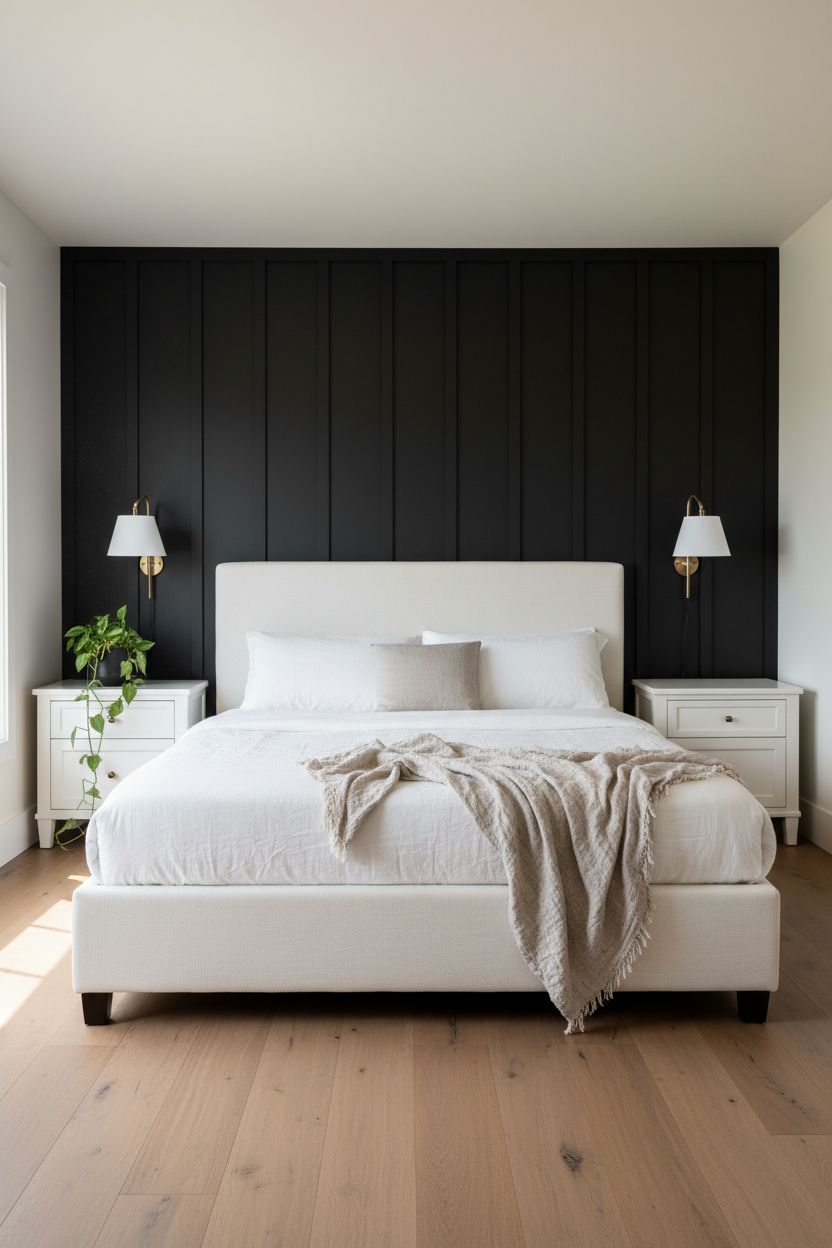
Dark board and batten wall ideas have officially moved past the shiplap-and-white-paint era, and honestly, it’s about time. There’s something about those vertical battens painted in a deep, inky hue — charcoal, forest green, almost-black navy — that makes a room feel genuinely finished. Not decorated. Finished. The shadow play alone, where the light catches the edge of each batten strip and carves a subtle groove into the wall, is worth every Saturday afternoon you’ll spend on it.
In this post you’ll find 17 distinct ways to work dark board and batten paneling into your home, from moody bedroom accent walls to dramatic entryway treatments and unexpected bathroom installs. Each idea comes with a real tip you can act on, not just pretty pictures to drool over. Whether you’re a seasoned DIYer or you’re picking up a nail gun for the first time, there’s something here for your skill level and your square footage.
A quick note on color: dark doesn’t have to mean black. The richest results tend to come from deep, complex hues — think Hale Navy, Peppercorn, Iron Ore, Tricorn Black, or Benjamin Moore’s Silhouette. Those are the ones that photograph beautifully and look even better in person, which is the whole point.
What Designers Are Saying
If you’ve been second-guessing whether the dark board and batten trend has legs or if it’s about to get replaced by the next farmhouse moment, the design world is pretty clear on the answer. DIY Dollar Sense’s 2026 board and batten report notes that the trend “leans toward rich earth tones, moody darks, and layered architectural environments — far more intentional and design-forward than the Pinterest farmhouse era.” That’s not a trend on the way out. That’s a trend that finally grew up.
Broader design coverage backs this up. The Rooms Art’s 2026 Wall Panel Guide cites Architectural Digest’s forecast pointing toward “saturated color, color drenching, and rich, lived-in finishes” as the dominant direction for walls this year — which is essentially a mandate for exactly this look. The shift is away from cold, flat surfaces and toward walls that have texture, weight, and a point of view. Dark board and batten sits squarely in that lane. It’s architectural, it’s tactile, and when it’s done right, it makes a room feel like somebody made a deliberate decision — which, in 2026, is the whole game.
1. Deep Charcoal Board and Batten Bedroom Accent Wall
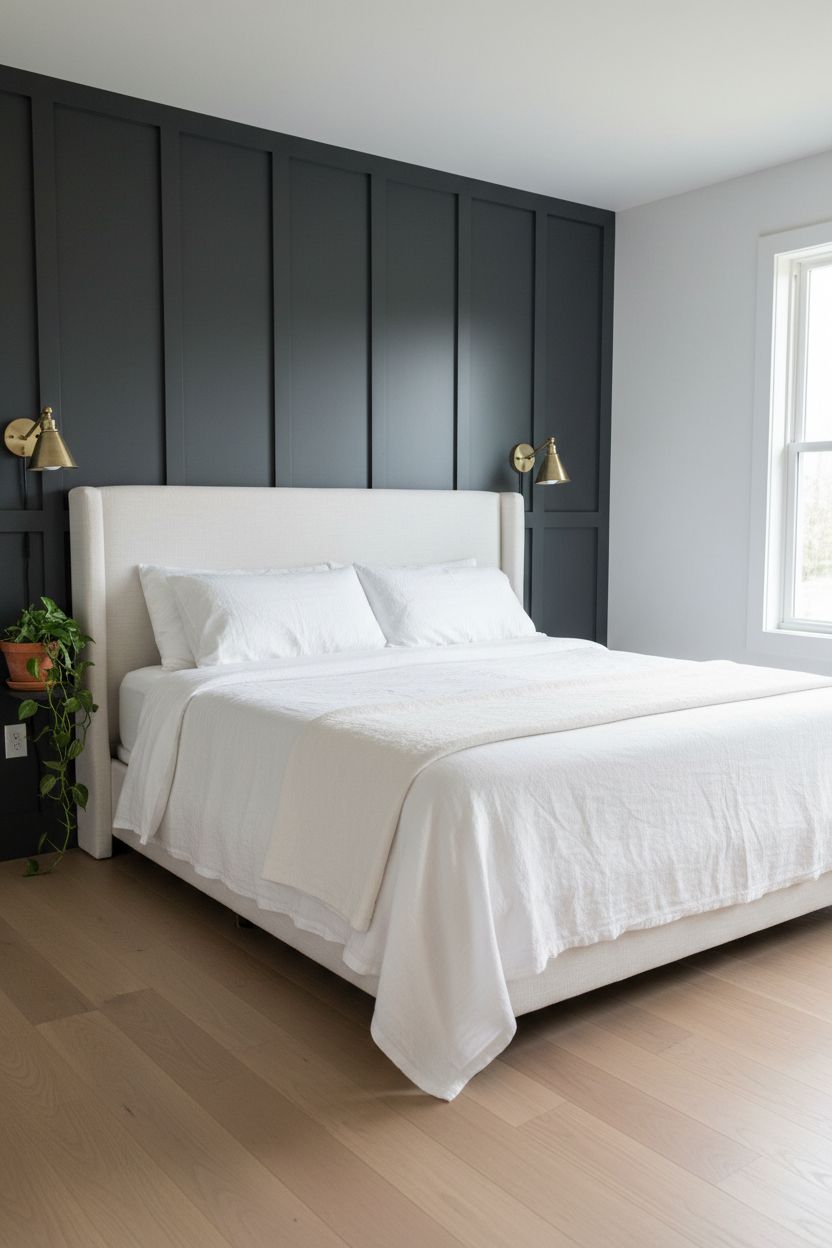
This is the one everybody saves on Pinterest and then immediately panics about committing to. Don’t. A full-height board and batten wall painted in a deep charcoal — Sherwin-Williams Peppercorn is the gold standard — behind the bed acts as a built-in architectural headboard. The battens create a rhythm that makes even a builder-grade room feel custom. Keep the other three walls in a warm creamy white so the charcoal reads as intentional, not oppressive. Paint the battens and the field behind them the exact same color for a tonal, shadow-play effect that looks like it cost triple what it did.
Pro tip: use a small foam roller for the field color and a 1.5-inch angled brush for the batten faces — it’s the difference between a crisp finish and a sad, drippy one.
2. Dark Forest Green Board and Batten Entryway
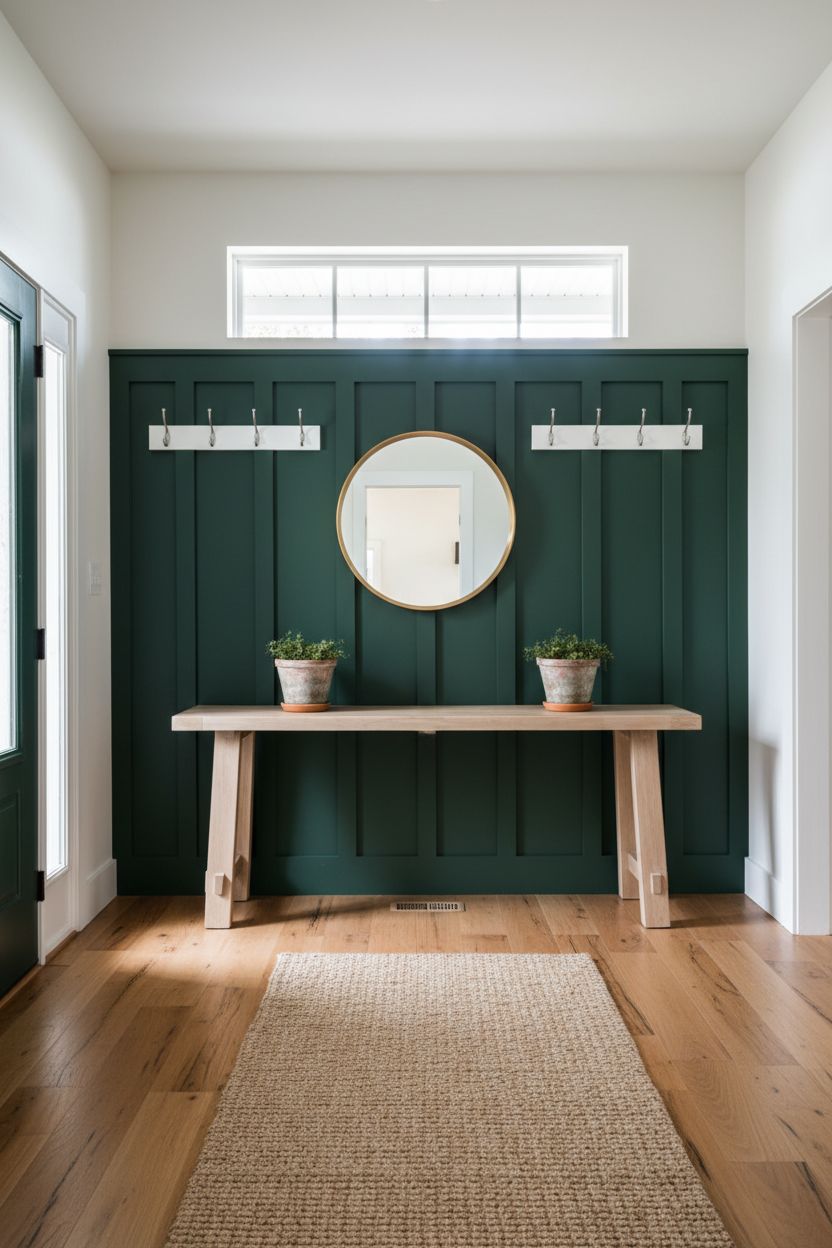
Nothing sets a tone faster than a moody entryway wall. Paint board and batten in a deep forest green — Benjamin Moore Tarrytown Green or Sherwin-Williams Hunt Club work beautifully — and suddenly walking in the front door feels like an event. The vertical lines draw the eye up, making a tight foyer read taller than it actually is. Pair it with a warm brass mirror, a chunky wooden console, and a jute runner underfoot to keep the whole thing from going too dark.
Why it works: the vertical batten lines create the illusion of height, which is the one thing nearly every entryway desperately needs.
3. Inky Navy Half-Wall Board and Batten with Contrasting White Upper Wall
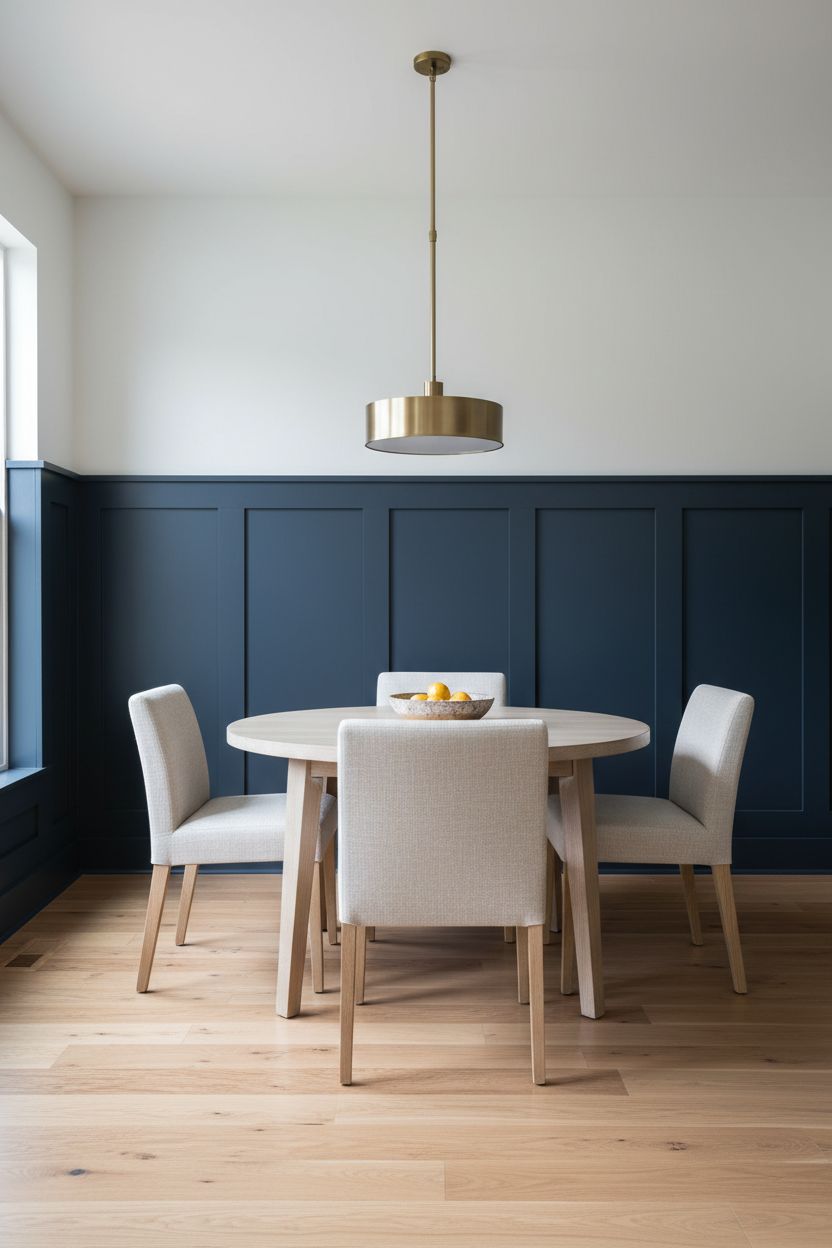
Two-tone walls are having a proper moment right now, and this is the dark board and batten version of that trend done right. Run your board and batten to about chair-rail height — 36 to 42 inches is the sweet spot — and paint the whole lower section in a rich navy like Hale Navy or Van Deusen Blue. Finish the upper wall in crisp white. It grounds the room visually, gives it a traditional but current feel, and is far more forgiving in small rooms than a full dark wall. The horizontal break also makes ceilings read higher.
Swap: if navy feels too safe, try a deep teal — it reads rich instead of nautical and pairs brilliantly with warm brass fixtures.
4. Floor-to-Ceiling Dark Board and Batten Living Room Fireplace Wall
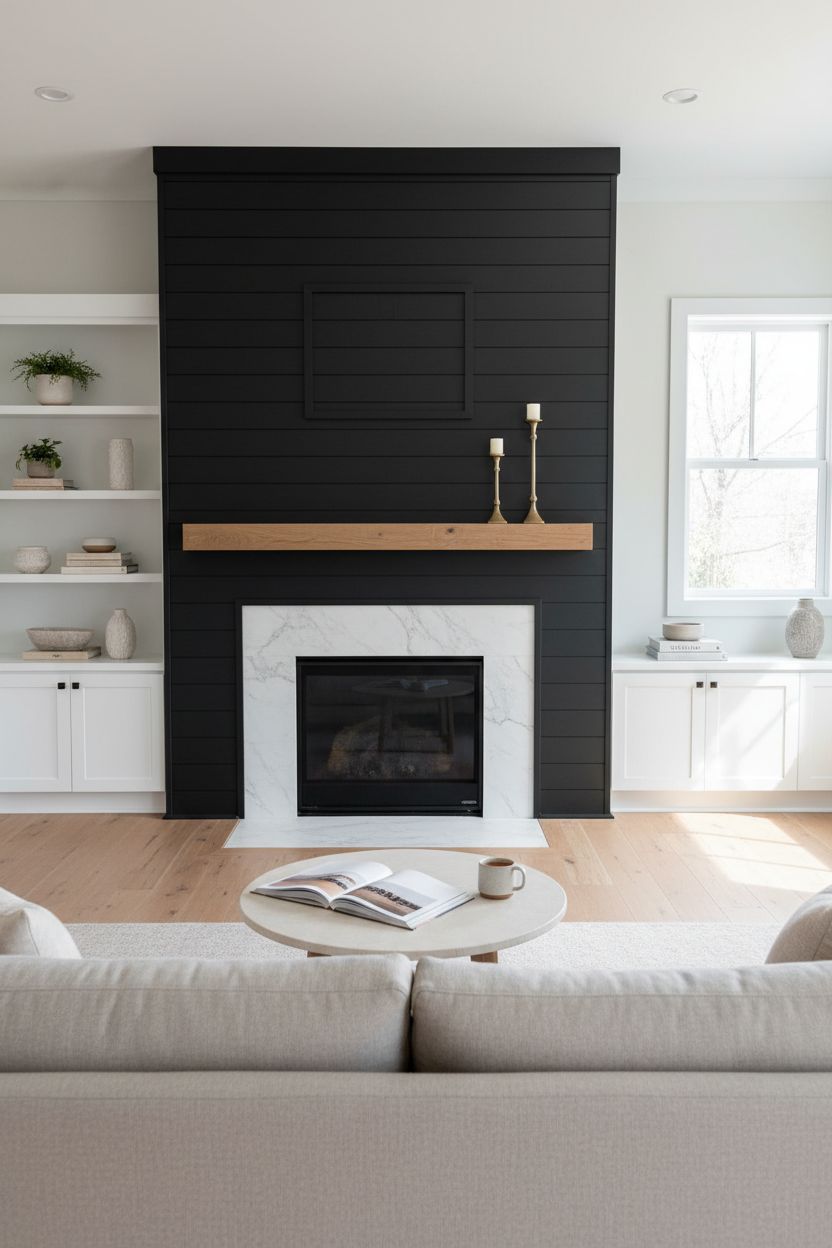
The fireplace wall is the single best place in your house to go dark and dramatic. Taking board and batten from floor all the way to ceiling on this wall — paint it something rich like Iron Ore or Tricorn Black — creates an anchor that makes the whole room feel designed around a purpose. The fireplace becomes a jewel set in a moody frame rather than a box stuck to a wall. Keep your furniture in lighter, warmer tones so the room doesn’t swallow itself. Linen sofas, a jute rug, and natural wood coffee table do the balancing act perfectly.
Pro tip: paint the interior of the firebox the same dark color as the wall — it visually expands the opening and makes the whole thing look more substantial.
5. Dark Moody Board and Batten in a Small Powder Room
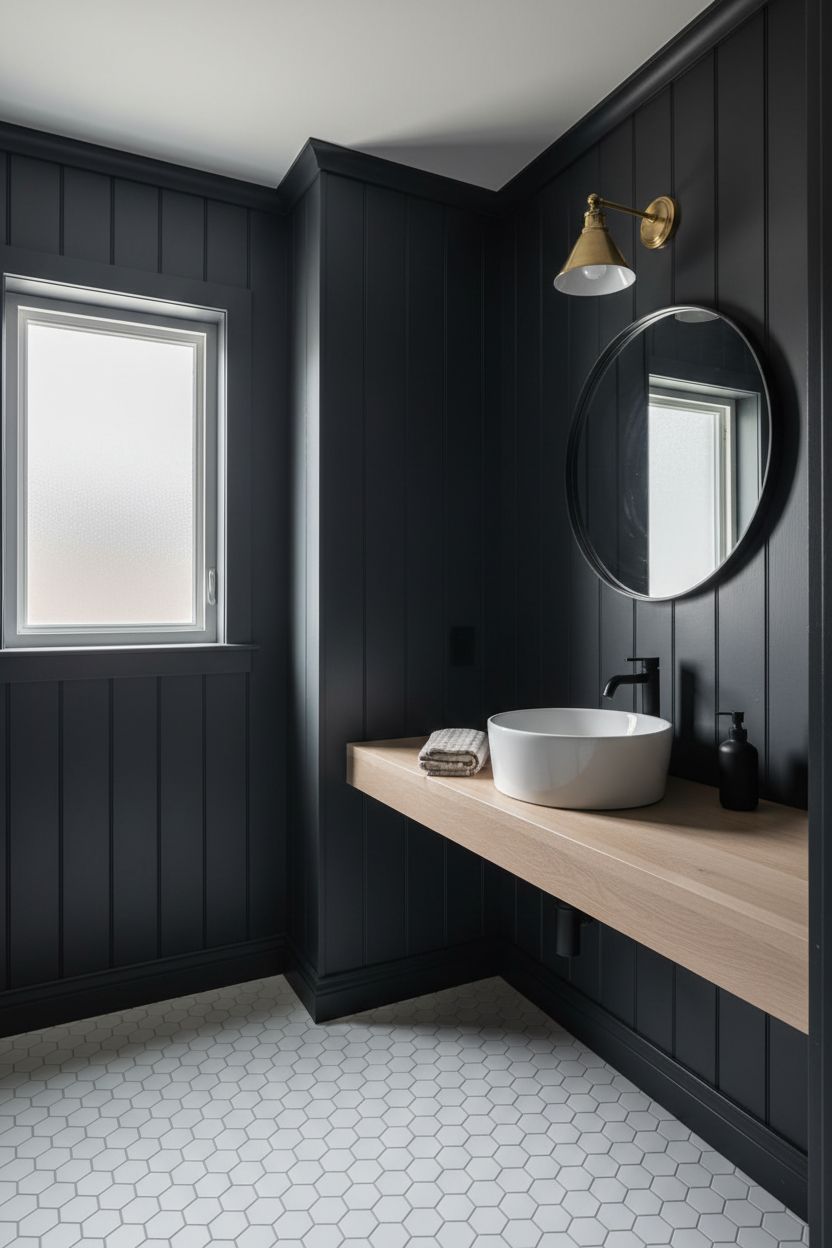
The powder room is the room where you can afford to be boldest — it’s small, it’s enclosed, and guests spend about ninety seconds in there. Dark board and batten wrapping all four walls of a tiny powder room reads insanely luxurious. Think Farrow & Ball Railings, or if you want something a touch warmer, Studio Mauve by Sherwin-Williams. The batten details give the eye something to do in a space that has no room for artwork or furniture. Add a single statement sconce in unlacquered brass and a floating sink, and you’ve got a room people will actually remember.
Go bolder than you think you should — powder rooms can handle the drama, and the small square footage means you’ll use far less paint than you’re expecting.
6. Dark Board and Batten Dining Room Accent Wall for a Moody Dinner Party Vibe
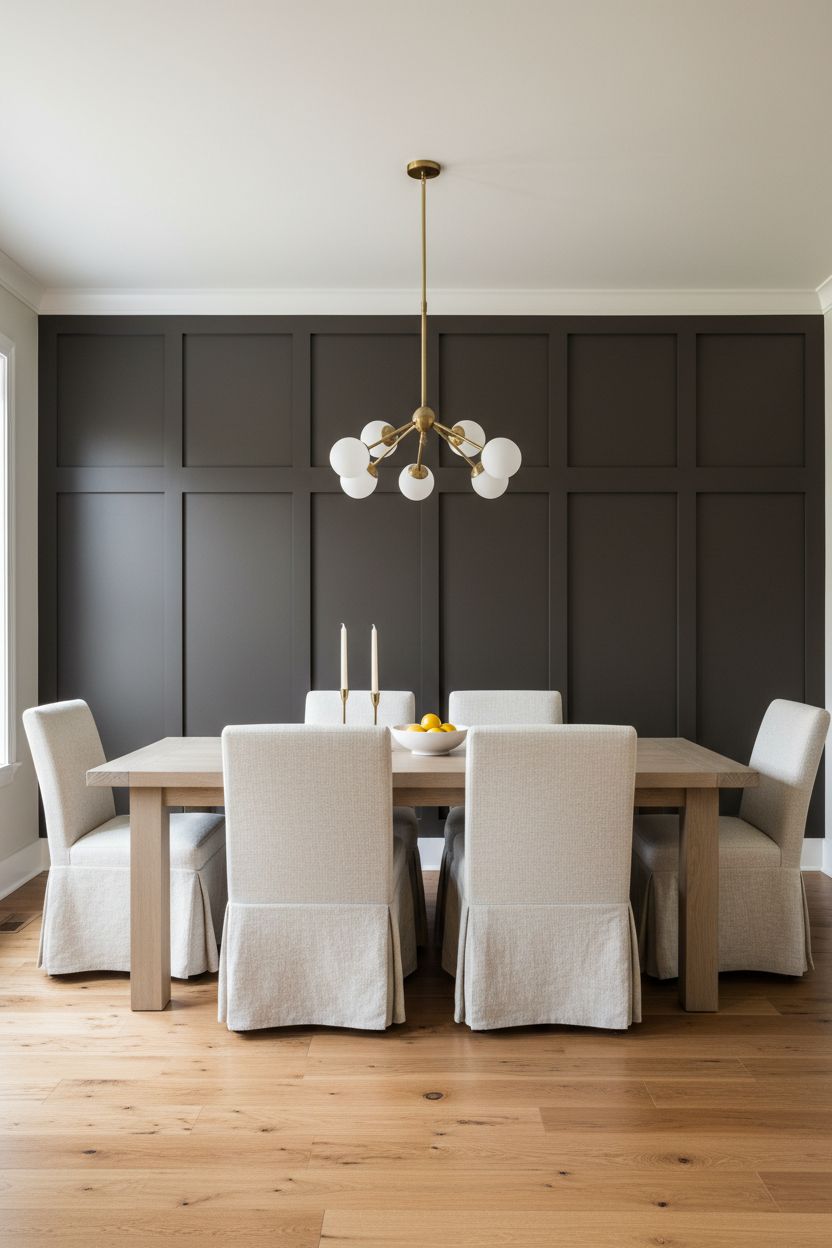
If you eat in the kitchen most nights and your dining room only sees action on holidays, that wall deserves something dramatic. A single dark board and batten accent wall behind the dining table — painted in something like Deep Onyx or Urbane Bronze — flips the energy of a formal dining room entirely. It’s moody but not oppressive, especially when you layer in warm pendant lighting overhead and a handful of taper candles on the table. This is the look that photographs beautifully every single time a guest sits down to dinner.
Tip: hang a large-format mirror or a single oversized piece of art on the dark panel wall — it reflects the candlelight and adds depth to the whole room.
7. Dark Board and Batten Nursery or Kids’ Room Feature Wall
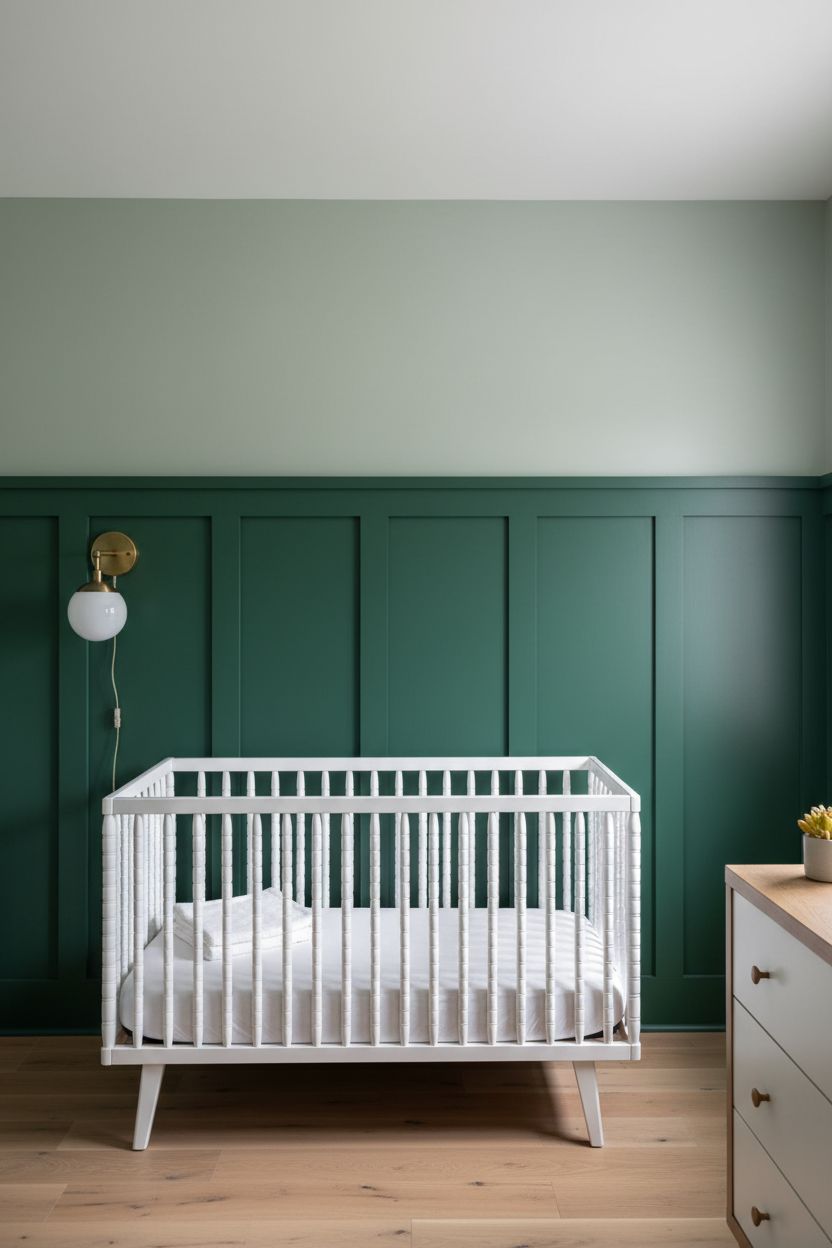
Yes, dark walls in a kid’s room. It’s not as scary as it sounds, and yes, it works. A deep forest green or navy board and batten wall behind a crib or toddler bed creates a cozy, cocoon-like feeling that actually helps kids sleep. The wainscoting height version — running the board and batten to about 48 inches — is the smart play here because it protects the lower wall from inevitable crayon moments and scuffs. Above the panel line, paint a softer, warmer tone in the same color family. Serene, not somber.
Practical win: the solid wood battens are far more scuff-resistant than plain drywall, so the wall will actually age better with a kid in the room.
8. Dark Stained Wood Board and Batten Wall (No Paint Required)
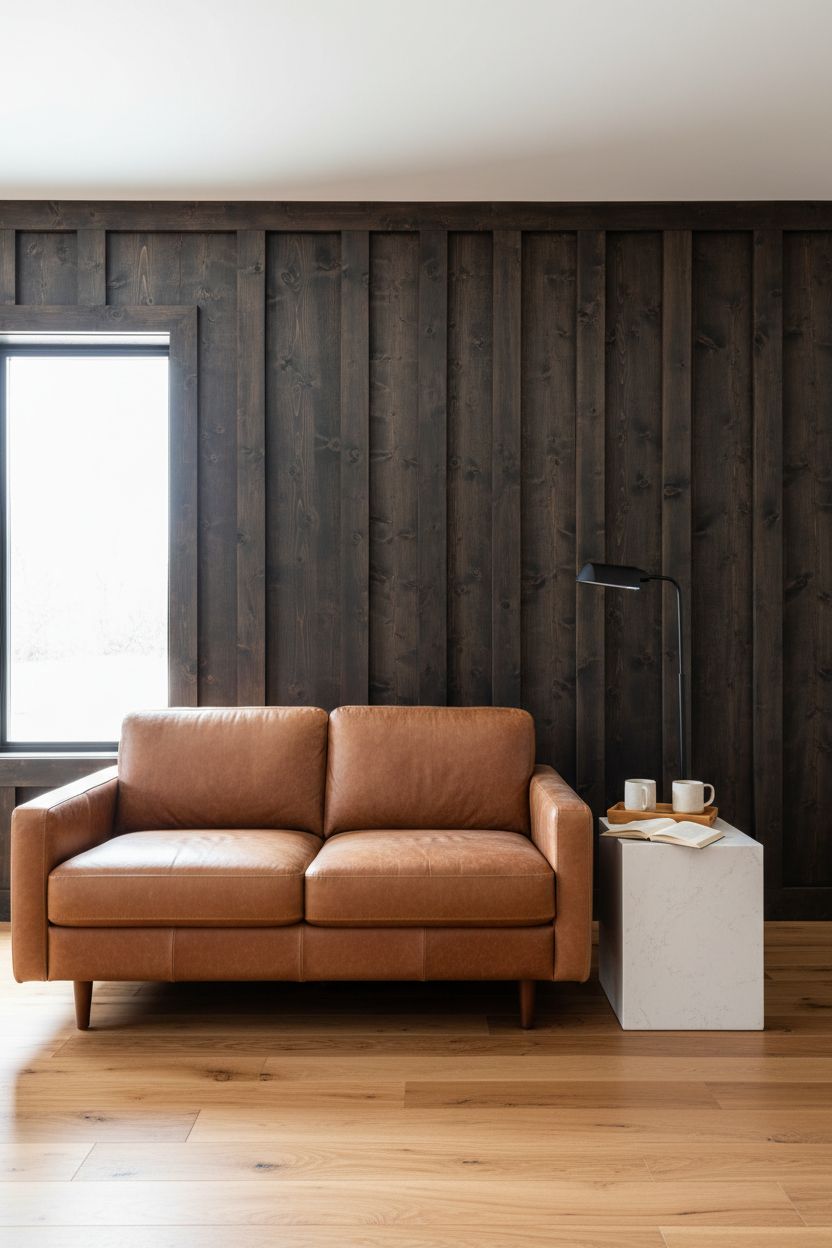
Not every dark board and batten wall needs paint. A natural wood board and batten installation stained in a deep espresso, dark walnut, or smoked oak finish brings warmth that flat paint simply can’t replicate. The grain shows through. The texture feels real. This approach works especially well in living rooms and home offices where you want a rich, cabin-meets-modern-lodge feel rather than a painted architectural detail. Use rough-sawn cedar or knotty pine boards for maximum visual texture, then seal with a matte topcoat.
Stain note: always test your stain on a scrap piece of the same wood species first — stain color shifts significantly depending on the grain and porosity of the wood.
9. Dark Board and Batten Home Office Wall Behind the Desk
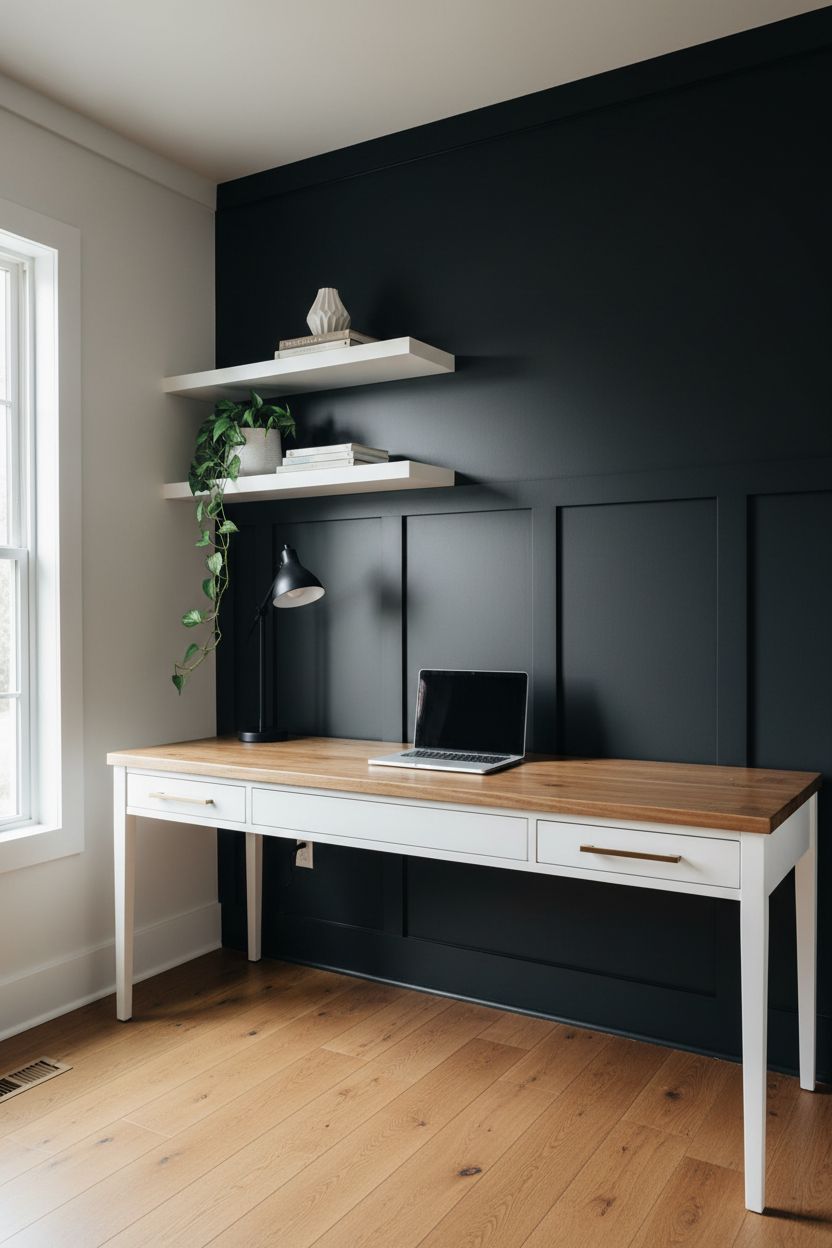
Your Zoom background should not be a beige wall. A dark board and batten accent wall directly behind your desk — painted in something authoritative like Tricorn Black, Caviar, or even a very deep warm brown — reads incredibly professional on camera while making the room feel intentional in person. The battens add architectural texture that a flat painted wall just can’t replicate. Style the wall with one or two floating shelves in natural wood at varying heights, keep the books curated, and call it done.
Camera tip: the dark background reduces glare and reflection on video calls, so you’ll actually look better on screen, not just in the room.
10. Deep Terracotta Board and Batten for a Warm, Earthy Bedroom Vibe
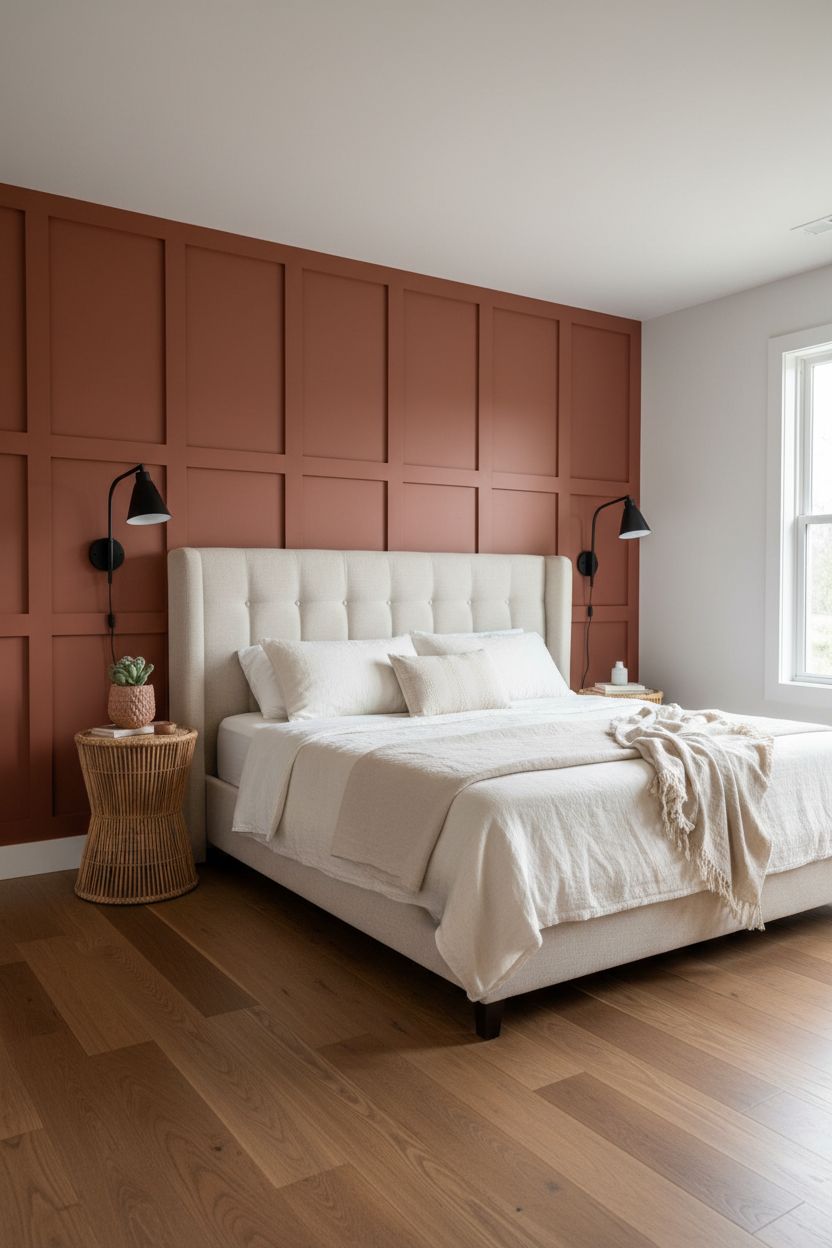
Not every dark accent wall has to be cool-toned. A terracotta or deep rust board and batten wall is one of the most unexpectedly inviting directions you can go, especially in a bedroom. It’s warm. It’s earthy. It photographs like a boutique hotel. Colors like Sherwin-Williams Cavern Clay, Rust-Oleum’s Canyon, or Benjamin Moore’s Pale Chestnut all deliver that rich, baked-earth warmth without reading as orange once they’re on the wall in full battens. Pair with cream bedding, warm wood furniture, and plenty of woven textures.
Color match secret: pull your bedding, rug, and throw pillow tones before choosing your exact terracotta shade — there are warm-red versions and orange-leaning ones, and getting it wrong will haunt you every morning.
11. Dark Board and Batten Staircase Wall for Maximum Dramatic Impact
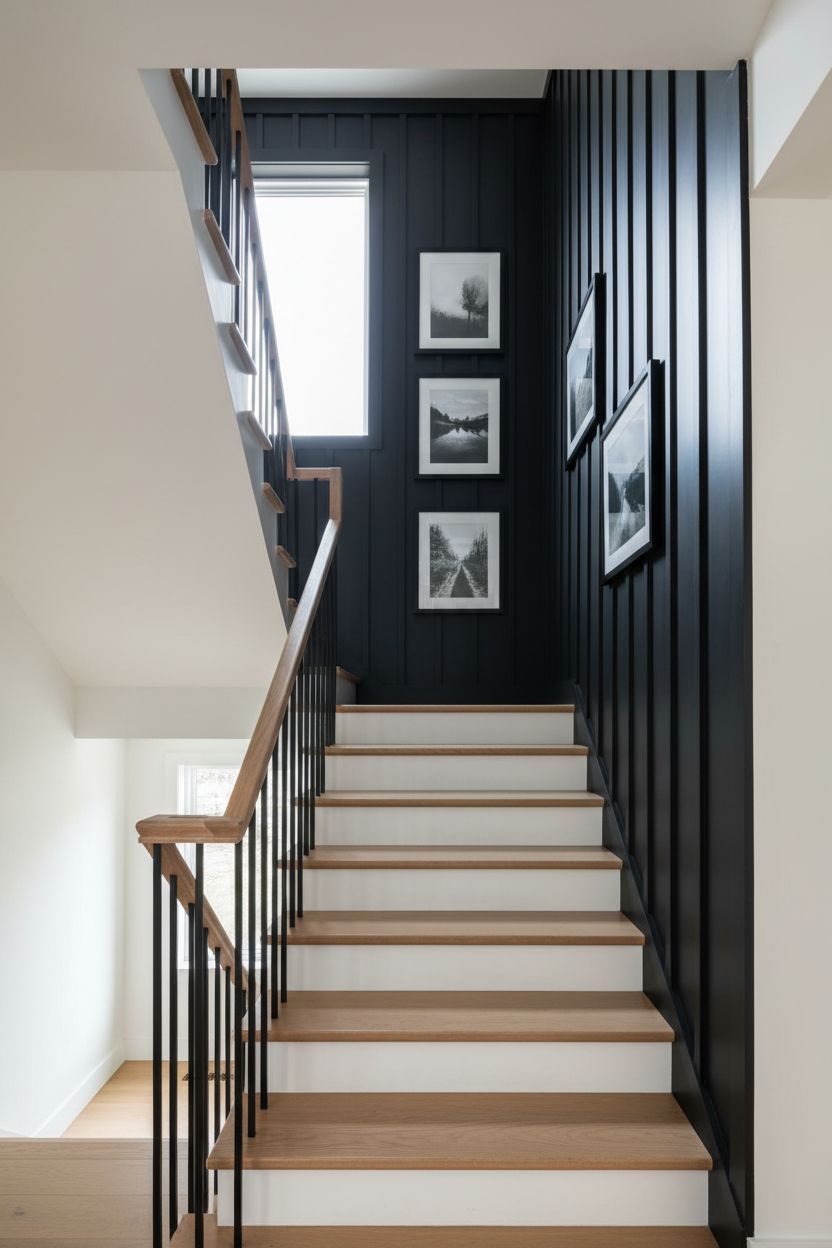
The staircase wall is one of the most underutilized design opportunities in the average house. It’s tall, it’s long, and most people just paint it white and forget about it. Dark board and batten running the full length of a staircase wall — especially if you angle the top rail to follow the pitch of the stairs — creates a gallery-worthy architectural moment. Black or deep navy works best here because the height of the space can absorb that level of saturation without feeling claustrophobic. Add a simple gallery wall of black-framed prints for a layered effect.
Installation tip: snap a chalk line along the stair pitch before installing your top rail so it follows the angle cleanly — nothing kills the look faster than a visibly crooked top cap.
12. Dark Moody Sage Green Board and Batten for a Living Room That Feels Like a Hug
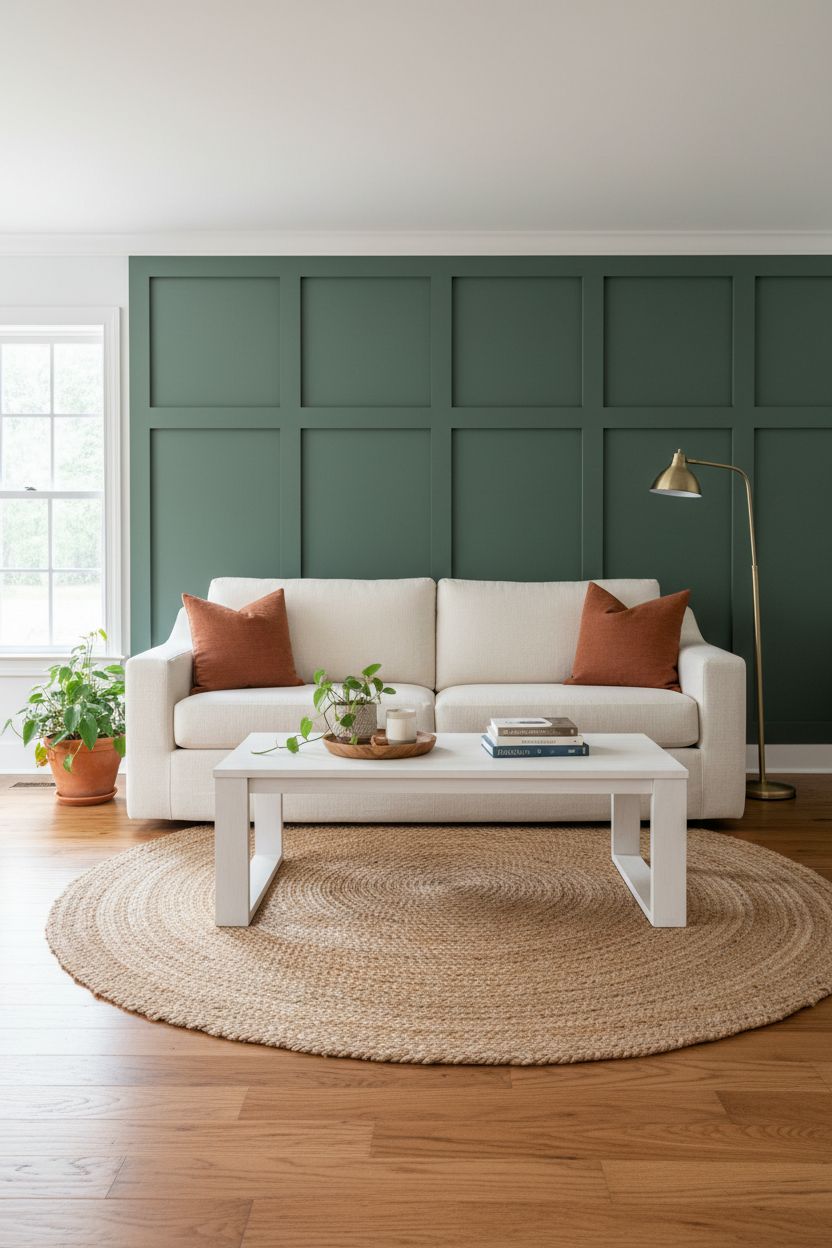
Deep sage green is not just a muted houseplant color. A truly saturated, dark sage — think Farrow & Ball Mizzle, Benjamin Moore Bellaire, or Sherwin-Williams Pewter Green — painted across a full board and batten wall is rich, sophisticated, and genuinely cozy. It works especially well in living rooms because it reads warm under incandescent or warm LED light but still feels fresh and nature-forward in daylight. The green also gives you immense flexibility with accent colors: cream, rust, cognac, black, and natural wood all play beautifully against it.
Lighting note: test your sage paint chip under the actual bulb temperature in your room — sage green shifts dramatically between warm 2700K and cool 4000K lighting.
13. Black Board and Batten Kitchen Nook or Breakfast Corner
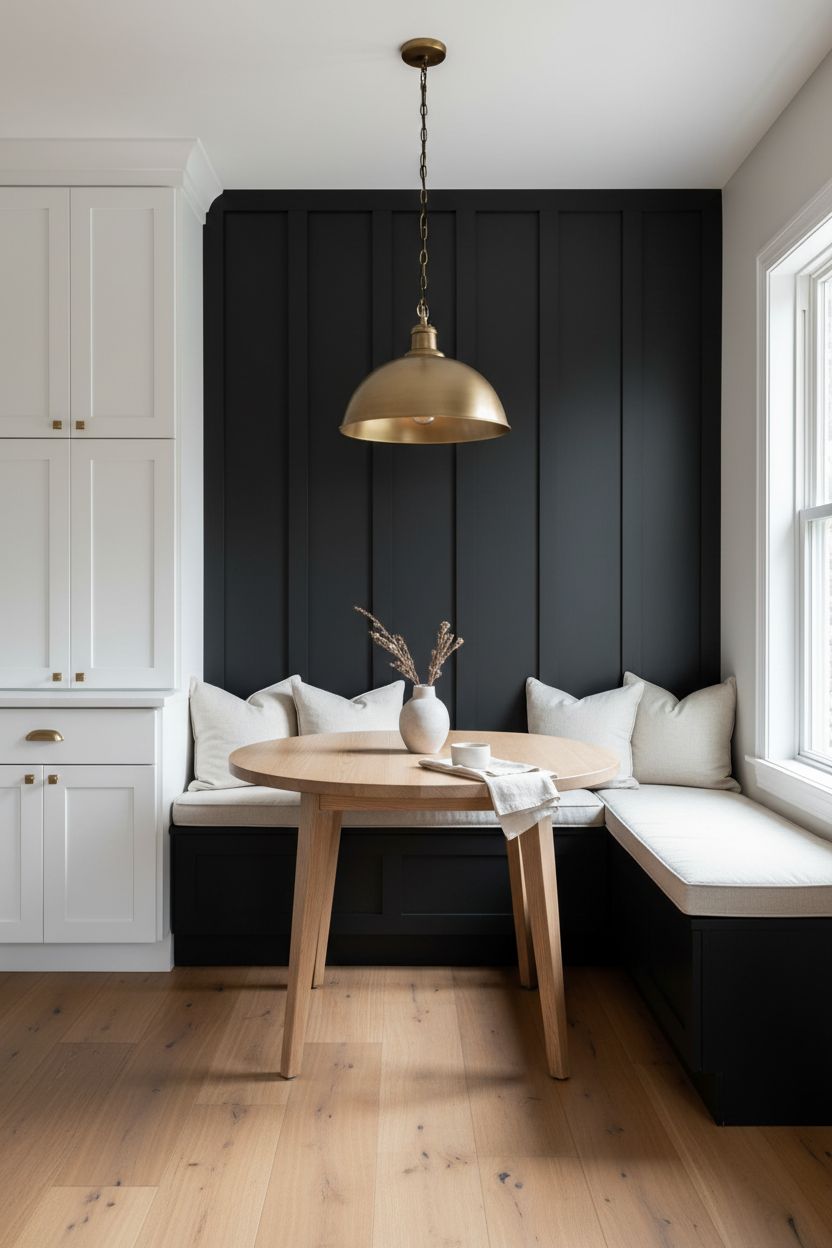
Kitchen nooks are little pockets of personality waiting to happen, and a black or near-black board and batten wall behind a built-in banquette is one of the highest-impact things you can do to a kitchen without touching the cabinetry. The dark paneling makes the nook feel intentionally separated from the rest of the kitchen — its own little dining room. Keep the table and cushion in light, warm tones so you’re not eating in a cave. A pendant in aged brass or matte black overhead finishes the scene.
Built-in bench tip: if you’re building the banquette from scratch, set the seat height at 18 inches and the back cushion at a 100-degree recline — that’s the sweet spot between dining upright and lounging.
14. Dark Board and Batten Behind a Freestanding Bathtub
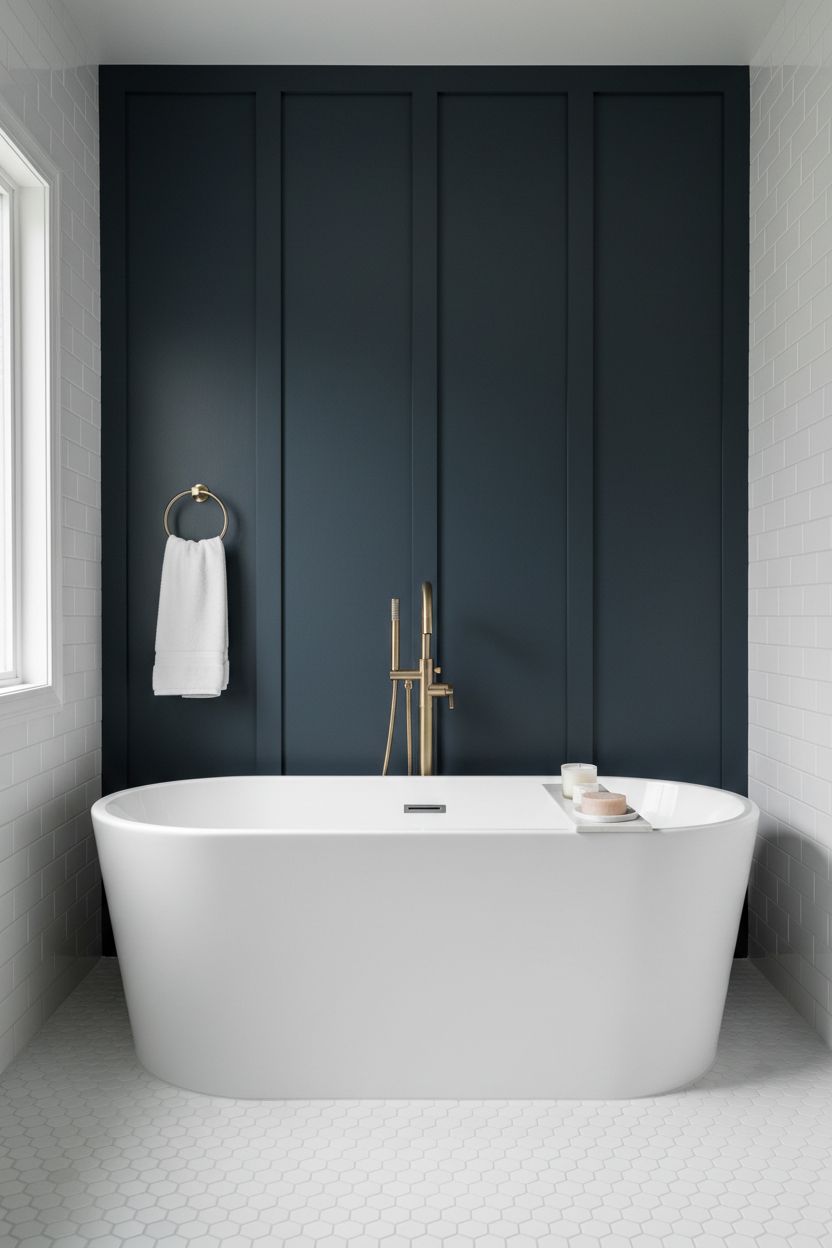
Bathrooms get overlooked as dark accent wall candidates, which is exactly why doing it there pays off so visually. A dark board and batten wall behind a freestanding soaking tub — painted in something like Sherwin-Williams Inkwell or a deep slate — looks spa-calibrated and expensive. The battens add dimension to what would otherwise be a flat tile surface, and because a bathroom is a small, enclosed room, the dark wall reads intimate rather than dark. Pair with unlacquered brass fixtures, white hex tile floors, and white subway tile on the other three walls to keep the whole room balanced.
Material note: prime and seal your MDF battens thoroughly before painting in any bathroom — steam and humidity will destroy unsealed wood over time.
15. Tone-on-Tone Dark Board and Batten with Matching Ceiling for Full Color Drenching
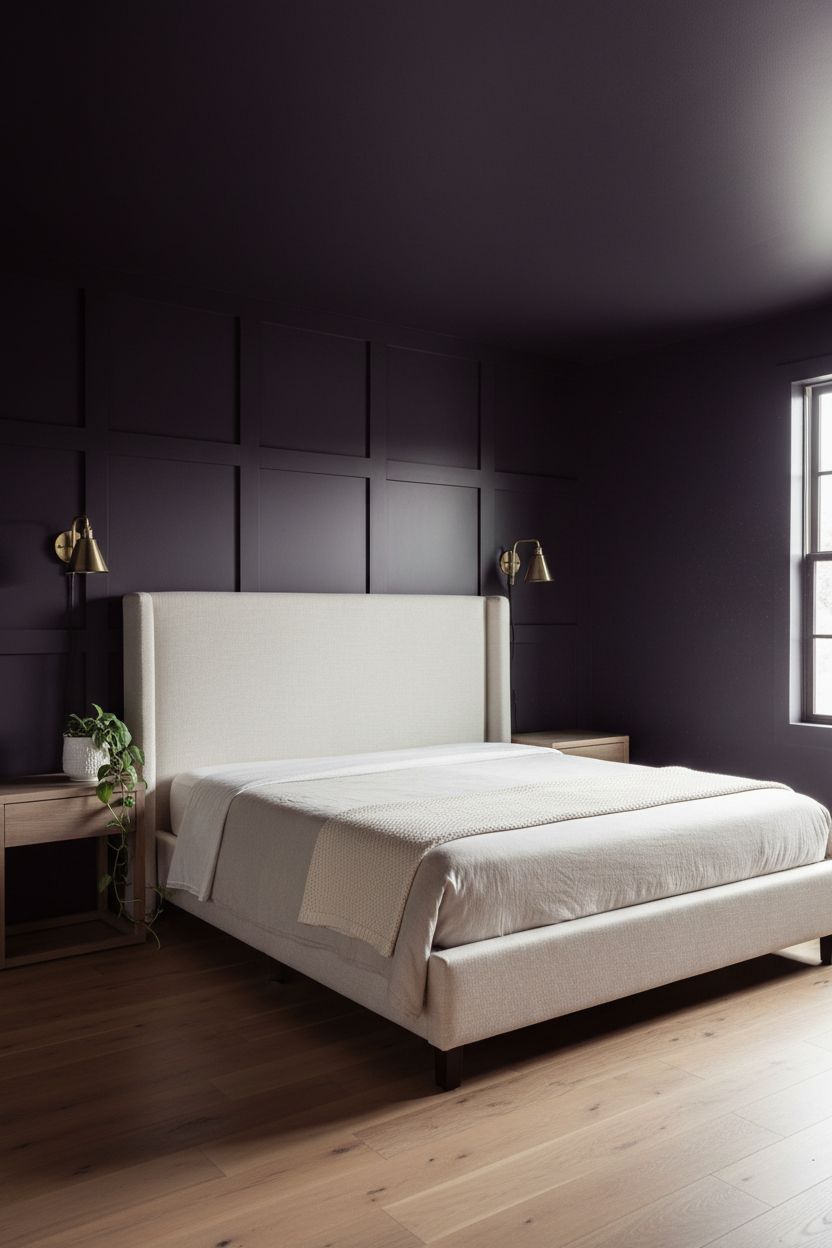
Color drenching is one of the most designer-approved moves happening in homes right now, and dark board and batten is the perfect vehicle for it. Paint the board and batten wall, all remaining walls, and the ceiling the exact same deep, moody color — or within one shade — and the room feels completely immersive. Caviar, Black Magic, or a deep warm plum all work well for this treatment. The ceiling color removes the hard horizontal line between wall and ceiling, which makes rooms with lower ceilings read taller and more intentional.
Execution tip: use the same paint sheen (eggshell or satin) on every surface including the ceiling — mixing sheens in a monochrome room creates an accidental two-tone effect you didn’t ask for.
16. Dark Board and Batten with Built-In Shelving for a Functional Accent Wall
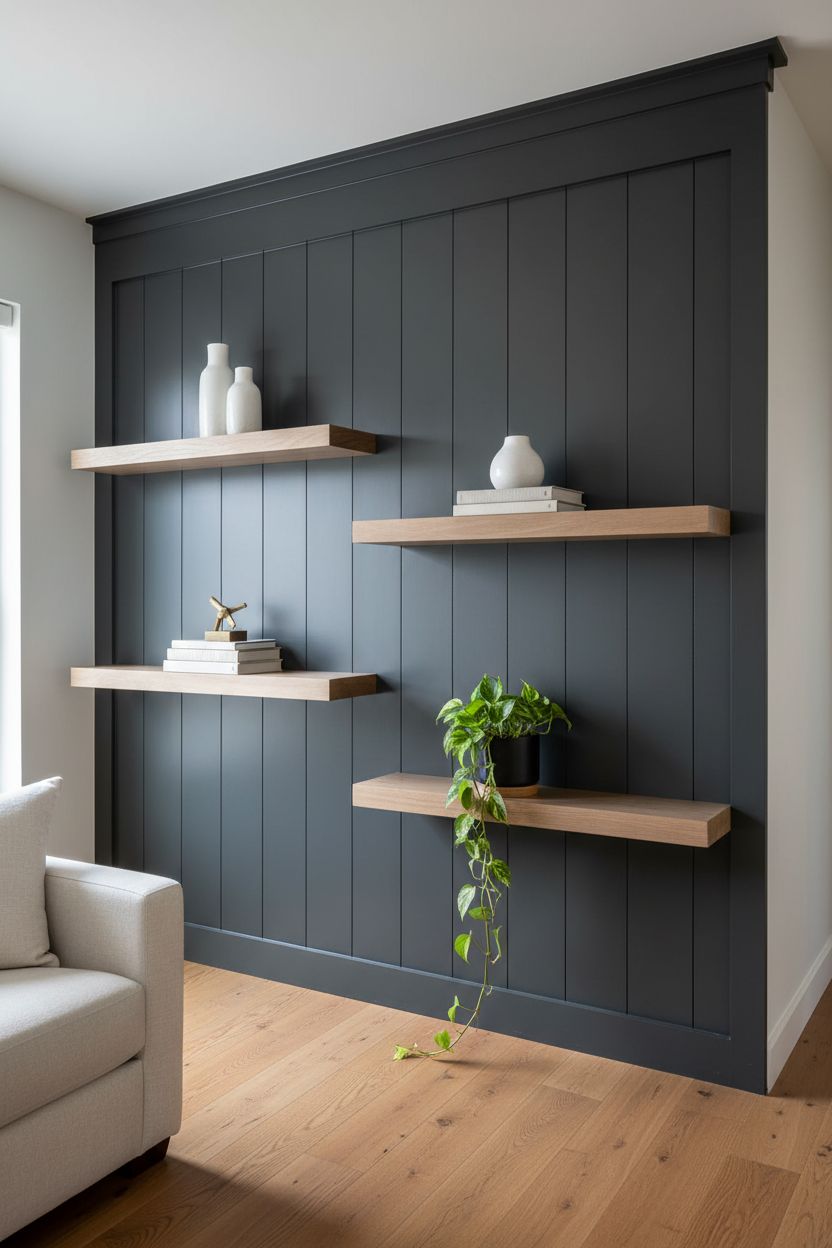
Here’s the version that does double duty. Frame your board and batten accent wall around floating shelves or built-in bookcases — all painted the same dark color — and you get an architectural feature that’s also genuinely useful storage. The dark background makes whatever you put on the shelves pop: white ceramics, light-toned books, warm wood objects. It looks custom-built without requiring custom-builder pricing. This works especially well in living rooms, home libraries, and bedroom alcoves.
Shelf styling rule: leave at least 30% of the shelf space empty — negative space is what makes a styled shelf look curated instead of cluttered.
17. Dark Board and Batten Mudroom Wall with Hooks and Bench
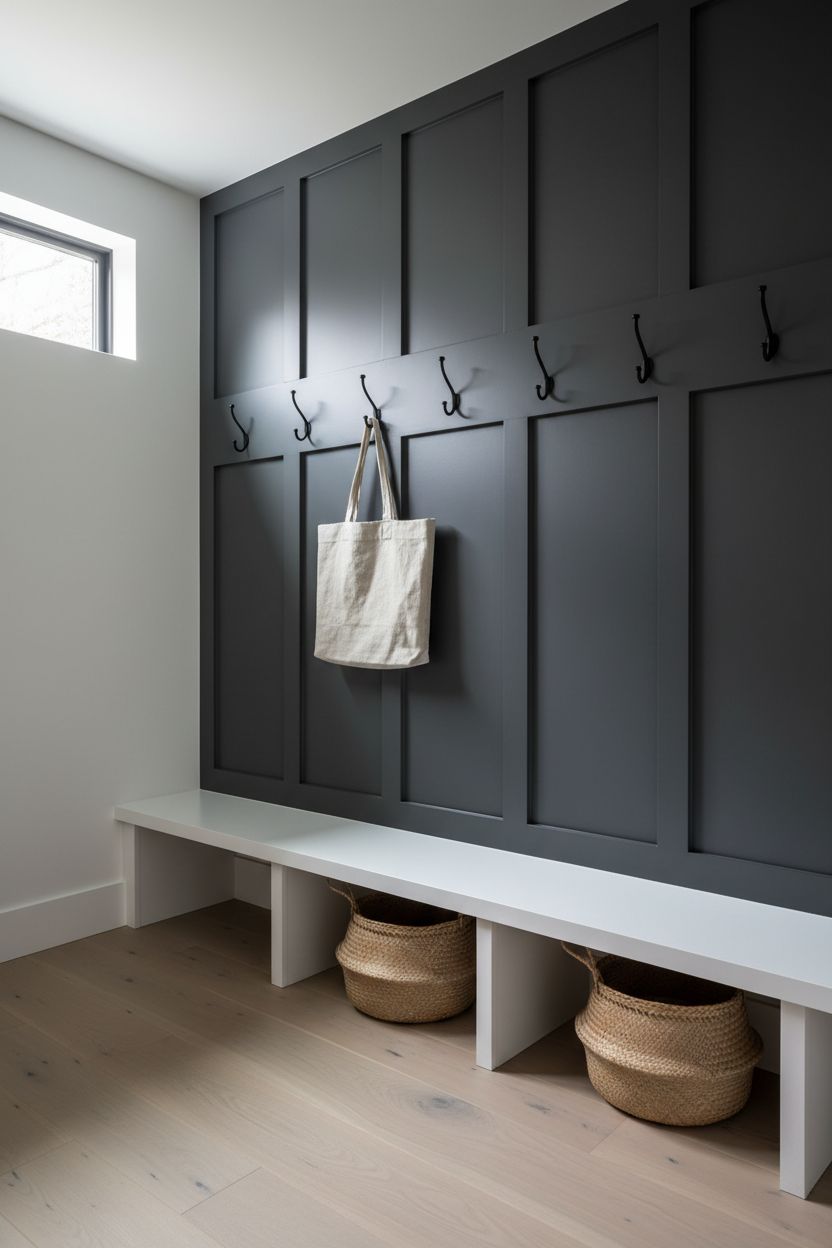
A mudroom is a working room, and most mudrooms look it — functional but forgettable. Dark board and batten on the primary wall, with your hook rail mounted directly to the battens, turns the most hardworking room in the house into something you’d want to photograph. Go with a dark, durable paint sheen — satin or semi-gloss — on the paneling specifically because mudrooms take a beating, and satin wipes clean far better than flat or eggshell. Deep charcoal, matte black, or even a dark warm brown all hold up better visually when the boots and backpacks pile up.
Durability pick: semi-gloss on a mudroom board and batten wall is non-negotiable if you have kids or dogs — it’s the one room where aesthetics have to share priority with scrubbability.
Frequently Asked Questions
What paint colors work best for dark board and batten walls?
Dark board and batten walls look best in deep, complex hues that have enough pigment to show the shadow play between battens. Sherwin-Williams Tricorn Black, Iron Ore, and Peppercorn are the most popular choices, followed closely by Benjamin Moore Hale Navy, Silhouette, and Black Magic. Avoid flat finishes in dark colors on wood paneling — eggshell or satin gives you the richness you want while staying wipeable.
Can dark board and batten work in a small room?
Dark board and batten ideas absolutely work in small rooms — in fact, a powder room or small bedroom is often where they look best. The key is applying the dark treatment to a single accent wall rather than all four walls, or committing to a full color drenching approach where every surface including the ceiling matches, which paradoxically makes the room feel more expansive rather than smaller. The vertical lines of the battens also draw the eye upward, adding perceived height.
What’s the difference between board and batten and wainscoting?
Wainscoting is a broad category that covers any decorative wood paneling on the lower portion of a wall, while board and batten is one specific style within that category. Board and batten uses wide flat boards as the field with narrower strips — the battens — applied over the seams at regular intervals. It can run half-wall as a wainscoting style or floor-to-ceiling as a full accent wall treatment.
Is dark board and batten hard to DIY?
Dark board and batten is widely considered one of the best beginner DIY wall projects because it’s forgiving — caulk and paint cover most small gaps and nail holes seamlessly. The core skills required are measuring accurately, cutting boards to length at consistent widths, and applying a quality paint finish. The dark color actually helps here because it hides minor imperfections better than white or cream, so any small gaps read as intentional shadow lines.
How far apart should battens be spaced on a dark board and batten accent wall?
For most standard 8- to 9-foot ceiling heights, spacing battens 8 to 12 inches apart on center creates a balanced, rhythmic pattern. Tighter spacing of 6 to 8 inches reads more formal and traditional, while 12 to 16 inches feels more modern and airy. The key is to do the math before you cut — divide your wall width evenly so the spaces on either side of the wall are equal, and always plan around outlets and switches before nailing anything.